5 Things Hospitals May Not Know About Healthcare Art

We’ve been working in the healthcare design industry for 20 years, and even though healthcare facilities have the best intentions when it comes to putting artwork on their walls, there’s a lot about healthcare art that hospitals may not know.
There are so many things that come into play when designing or remodeling a healthcare facility, and art is often at the bottom of the list.
And we get it. Healthcare environments deal with life and death on a daily basis.
Things like infection control and patient and staff safety should be at the top of the list. But after examining the research and seeing the effects of including nature art in healthcare design over the past two decades, we think the positive effects of nature art on patients and staff are still greatly underrated. 
Incorporating nature art in healthcare settings has numerous benefits for patients and the entire care team. Things like reduced stress, faster recovery, improved mood, and the need for fewer pain medications.
There’s no limit to studies showing the importance of nature when it comes to healing.
Sometimes looking at what doesn’t work can help you discover the power of the things that do.
Here are the top 5 things hospitals may not know about healthcare art. Understanding the research can ensure your facility is making the most informed choices so you, your patients, and your staff get the best outcomes:

1. The Research Matters
Some hospitals choose art based on current trends or aesthetic preferences rather than evidence-based biophilic research. But the research is becoming increasingly difficult to ignore.
A 2025 review by researchers at the Univeristy of Pennsylvania’s Penn Center for Neuroaesthetics examined 25 studies spanning three decades and found consistent evidence that visual art, particularly nature imagery, can support calmer and more supportive healthcare environments.
Research shows that certain types of art, including soothing waterscapes, verdant greenery, and familiar local touchstones can help reduce stress and support positive outcomes for patients and staff.
Artwork chosen without an understanding of biophilic design, and the specific features that illicit positive responses, is a missed opportunity for the community your hospital serves.
That’s why it’s important to work with a team well-researched in biophilic design with experience in the healthcare industry, so you can get the best results while instilling confidence in your healthcare system.

2. Abstract Art Can Create Confusion
Abstract art is one area where the research may challenge conventional thinking about healthcare art.
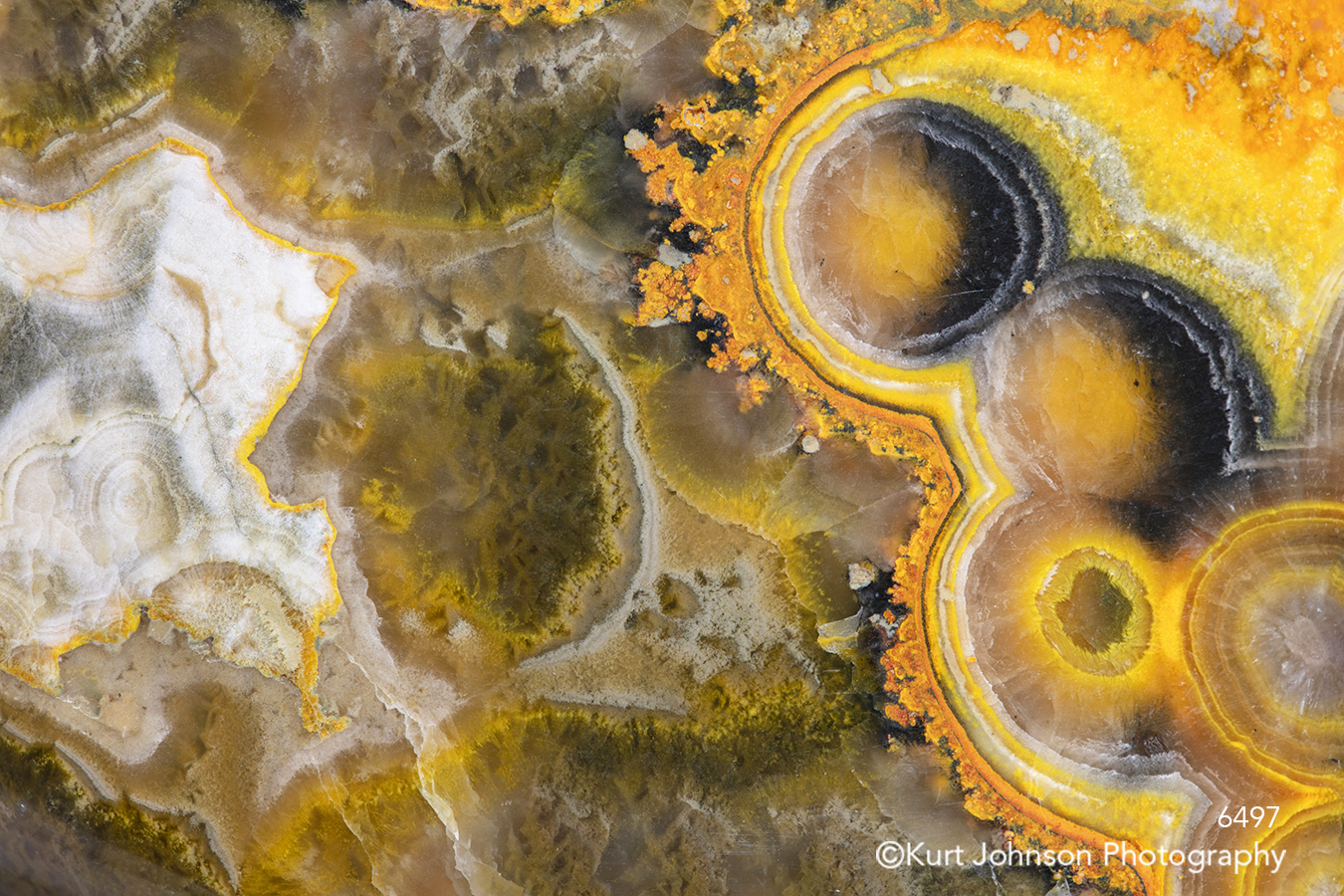
Research shows abstract art can be confusing and unsettling to patients, particularly those with cognitive impairments or high levels of stress. Art that is too complex can worsen anxiety, leading to negative outcomes.
Nature imagery offers something very different.
Our brains are wired to recognize and respond to patterns found in the natural world. Research into nature imagery and visual art in healthcare have repeatedly found that peaceful landscapes, vegetation, water, and other familiar elements of nature can promote positive emotions, reduce stress, and create a sense of tranquility.
When someone is already anxious, confused, or overwhelmed, the last thing the enviroment should do is give their brain more work to do.
Nature gives it somewhere calmer to go.

3. Local Imagery Strengthens Connections
Art should complement the overall design of hospitals and healthcare environments. But unfortunately, it’s commonly an afterthought when it comes to healthcare art.
Poor, disjointed integration is the opposite of a calming environment dedicated to healing.
That’s why it’s important for artwork to be considered from the beginning of a new facility being constructed or the initial stages of a remodel. Art needs to be intentional so it can be strategically placed for easy viewing by patients, such as in waiting areas, corridors, and patient rooms. Poor placement can lead to minimal impact.
Art should accentuate and tie into all other aspects of the hospital so it feels natural and organic to the space. Only then can it become part of the healing process.
We like to say our art has a job to do, and the most effective nature art is part of your care team, so the healing can begin from the moment a patient walks through the door. This kind of impact can only be achieved through thoughtful placement, integration, and design.

4. Community Feedback Matters
Hospitals often make decisions about art without consulting patients, staff, or local communities. Without this crucial feedback, it’s hard to know what type of artwork would be best for your facility. Involving these groups ensures the art chosen is meaningful and beneficial. Failing to act on feedback from patients and staff is a missed opportunity, leading to less engagement with the art.
Engagement between patients and staff plays an important role in improving positive outcomes, and it’s important to value all the voices that make up the care team of your healthcare environment.
Incorporating nature images of the local area adds a sense of comfort and familiarity to patients, which is why we spend a lot of time shooting nature images for specific healthcare environments throughout the US.
When patients feel stressed or confused, seeing landscapes, flowers, and wildlife from the surrounding area evokes an immediate sense of comfort, putting them at ease. Being able to invoke that type of calm in a patient before they even engage with the staff is a powerful thing. That’s when the art truly becomes part of the care team.

5. Budgets Matter Too
Art budgets are typically underfunded and often don’t receive the attention they deserve because many hospitals aren’t familiar with the research showing the benefits of nature art for patients, staff, and visitors.
But here’s something worth considering: being intentional about art for healthcare may actually save money.
One study, examining realistic nature photoraphy in a psychiatric unit, found the use of as-needed medications for anxiety and agitation dropped by roughly 60% after the artwork was installed, resulting in an estimated $27,000+ in annual medication savings for that unit alone.
And a separate cost-benefit analysis looking at mood-enhancing art at three major hospitals (Mayo Clinic, Johns Hopkins, and Mass General) projected a $4-8 million net benefit per hospital over 10 years.
In other words, healthcare art shouldn’t be viewed as an expense with no measurable return.
When it’s guided by research during selection and integration, it’s an investment in the patient experience, staff well-being, and financial health of the healthcare system.
Viewing art as a low priority can result in minimal investment and poor-quality installations that don’t provide the intended and much-needed benefits nature provides. By setting aside a realistic budget for artwork from the beginning, hospitals can more effectively use art to create healing environments that enhance patient care and support staff in meaningful ways.
The goal isn’t to spend more on art but to spend more intentionally guided by the research.

Art has a job to do.
When it’s chosen based on research, carefully integrated into the environment, informed by the people who use the space, and appropriately funded, art can do far more than make a healthcare facility look beautiful.
Nature art backed by biophilic design principles helps patients feel calmer, staff feel supported, and allows the healing process to begin before a patient even meets their doctor. And that’s when art becomes part of the care team.
Want to dig deeper into the research?
We take a closer look at the science behind nature photography in healthcare, including what it can do for stress, pain, patient satisfaction, staff well-being, and even hospital costs:
Categories: Healing, Healthcare, Research