Colorado Calm: Research-Backed Nature Photography for Healthcare Spaces
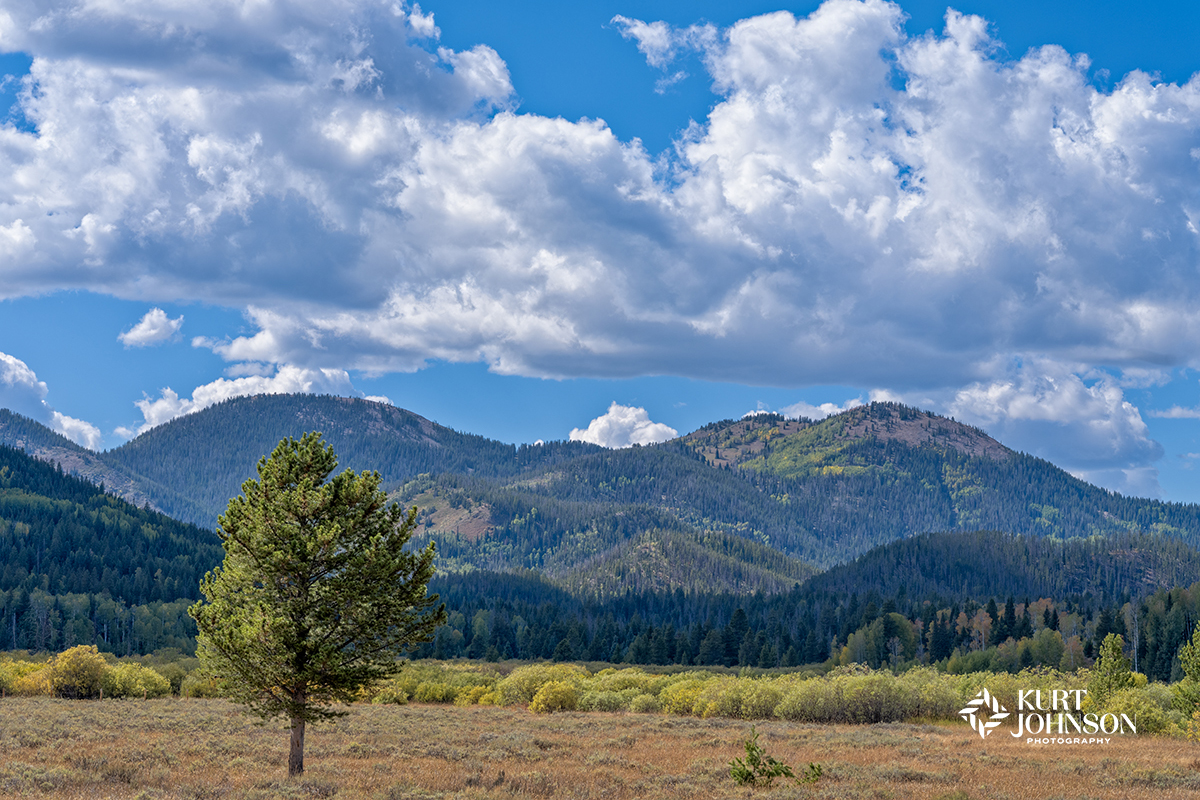
There’s something about Colorado in the fall that slows everything down in the best way.
Golden aspens light up the horizon while little riverbeds and creeks pop up unannounced like the best surprises. The sky changes from bright blue one minute to dramatic and broody the next. And it’s all part of the open-air allure of this breathtaking, healing landscape.
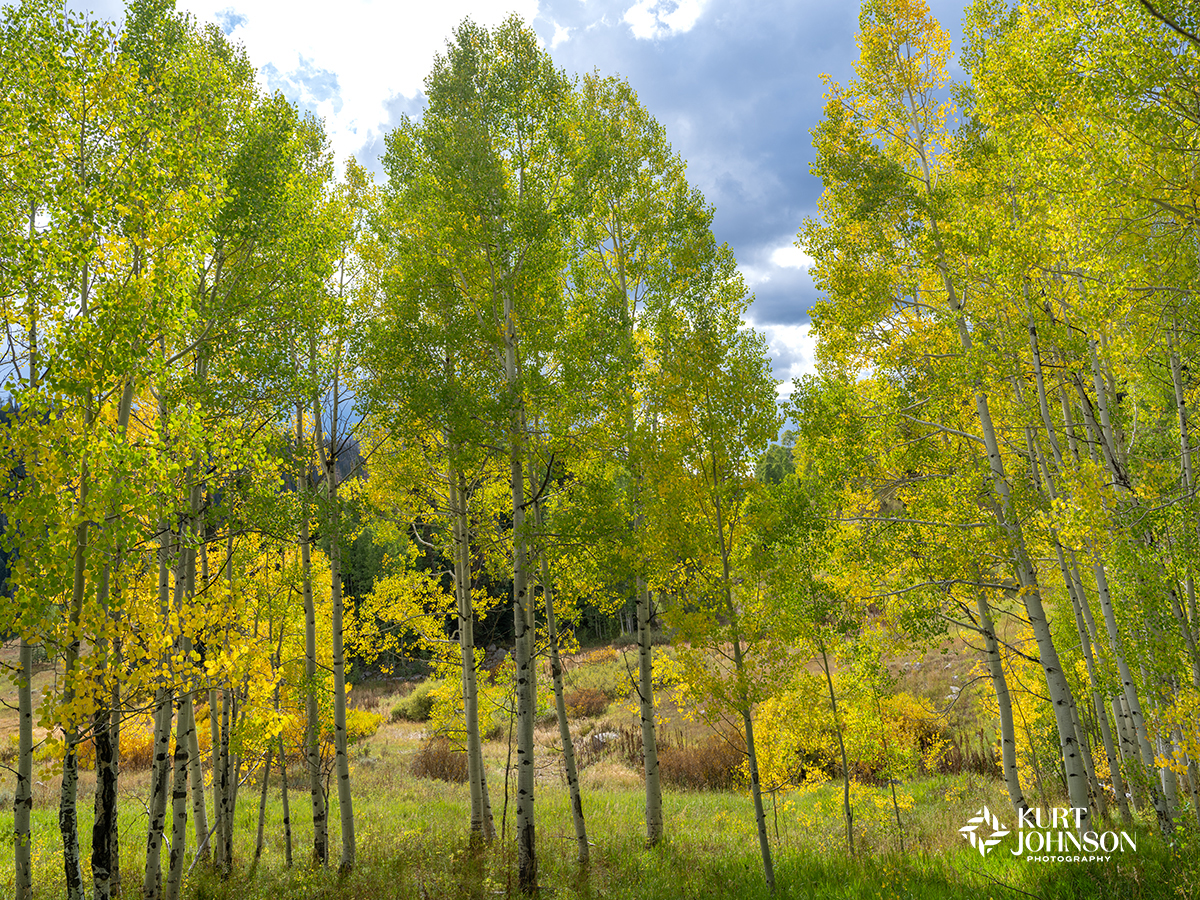
Last fall, we traveled through Colorado, taking photographs with healthcare spaces in mind – from patient rooms and corridors to waiting areas and staff spaces – where visual calm, positive distractions, and providing comfort and peace truly matter.
Nature, the Nervous System, and Why Images Matter
Decades of research in healthcare design tells us that nature imagery isn’t just “nice to have.” Studies going back to Roger Ulrich’s foundational work show that viewing natural scenes can help reduce stress, lower blood pressure, improve mood, and support better overall patient experiences. And the good news? Even when real windows aren’t an option, images of nature can still make a real difference by positively affecting outcomes.
But not all nature imagery works the same way.
The most effective images tend to feel calm and balanced. They do more than act as decoration. They invite you in. Think water that moves steadily, trees that create a sense of shelter, and landscapes that offer visual depth without chaos. Translation: your nervous system likes trees, water, and not feeling trapped. Makes sense, right?! The need for nature is embedded in our DNA, even today, as we spend most of our time indoors.
That understanding quietly shaped how and where we photographed throughout this Colorado trip.
The Quiet Work of Water
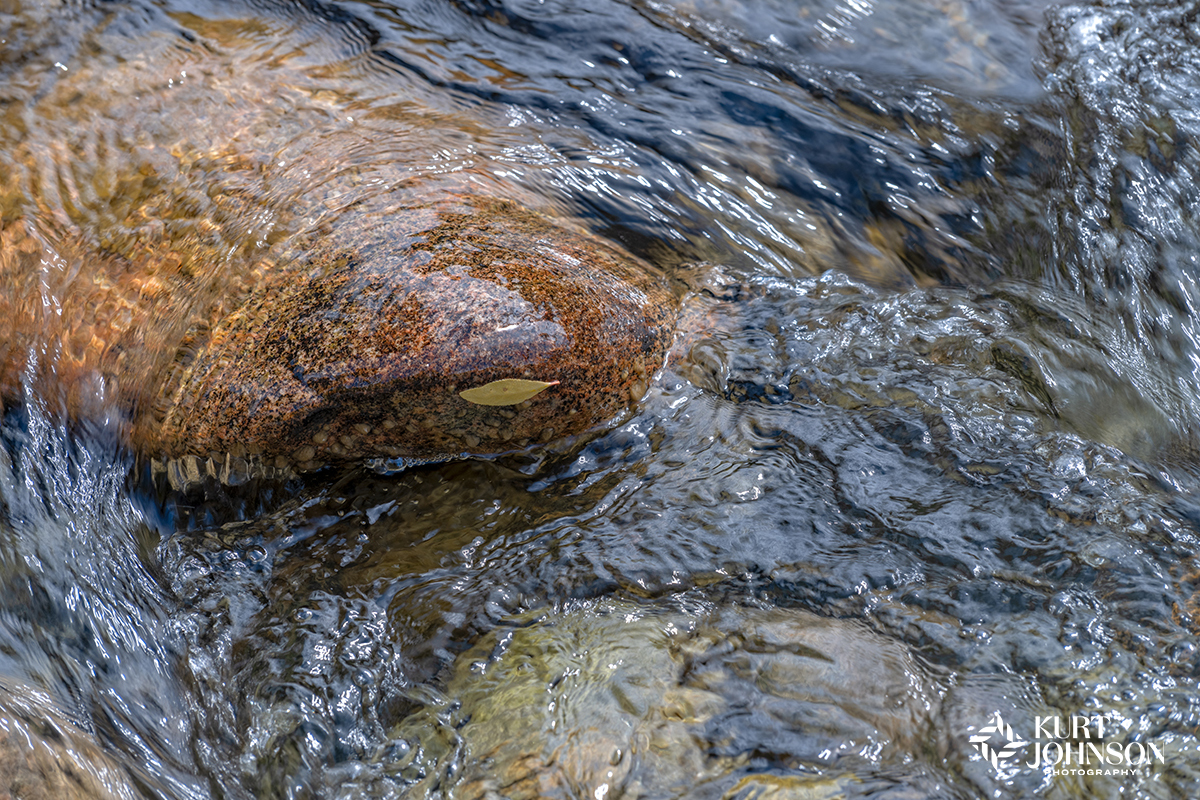
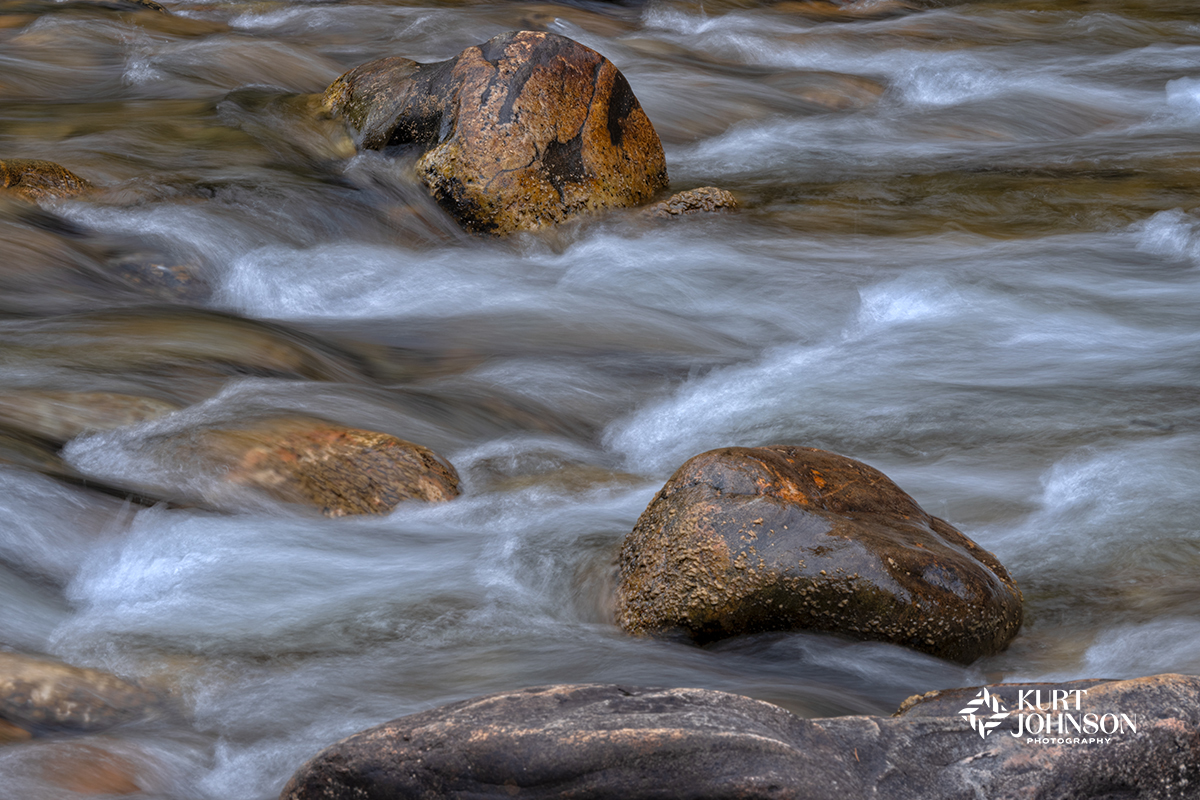
Water has a unique ability to pull you in gently. You can look at a stream or river for a long time without even realizing how long you’ve been there. And that’s the beauty of an effective positive distraction. You forget you’re waiting.
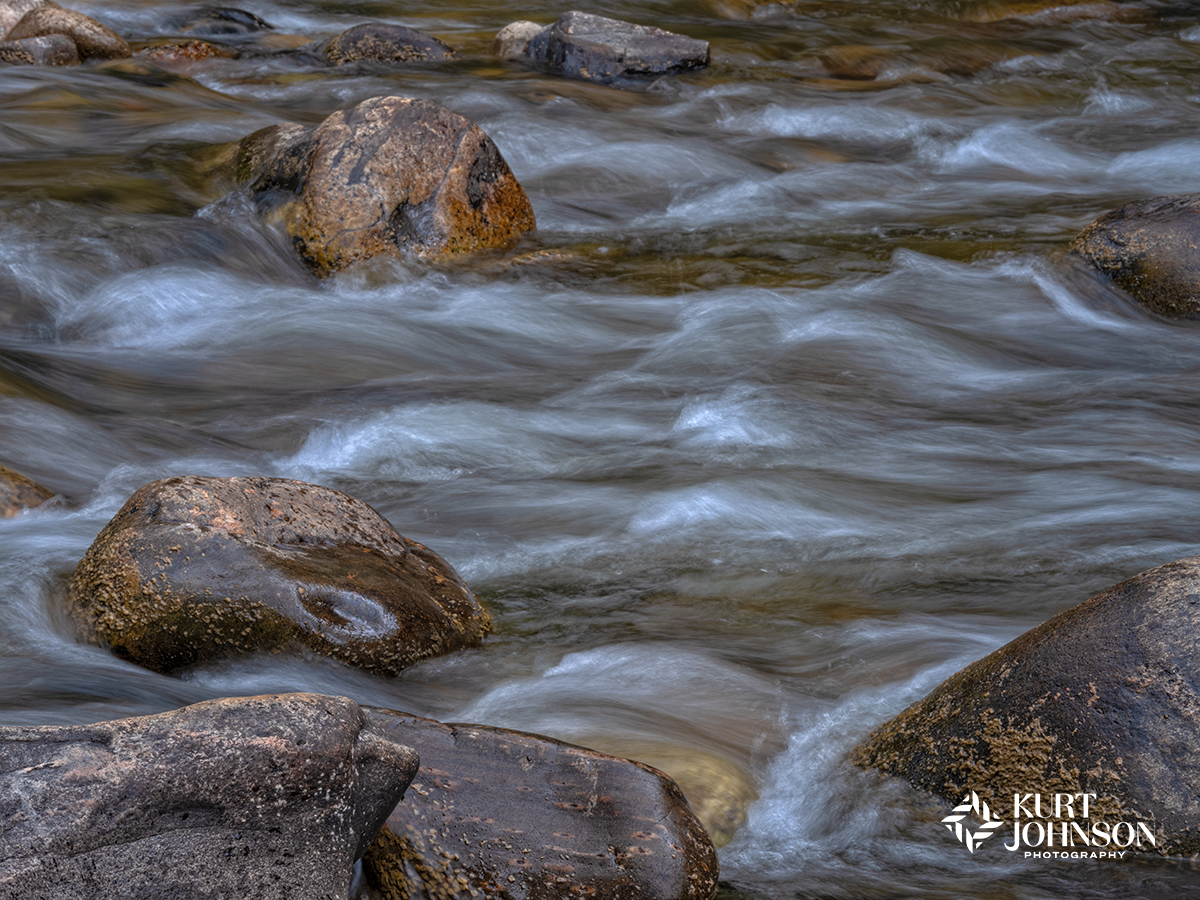
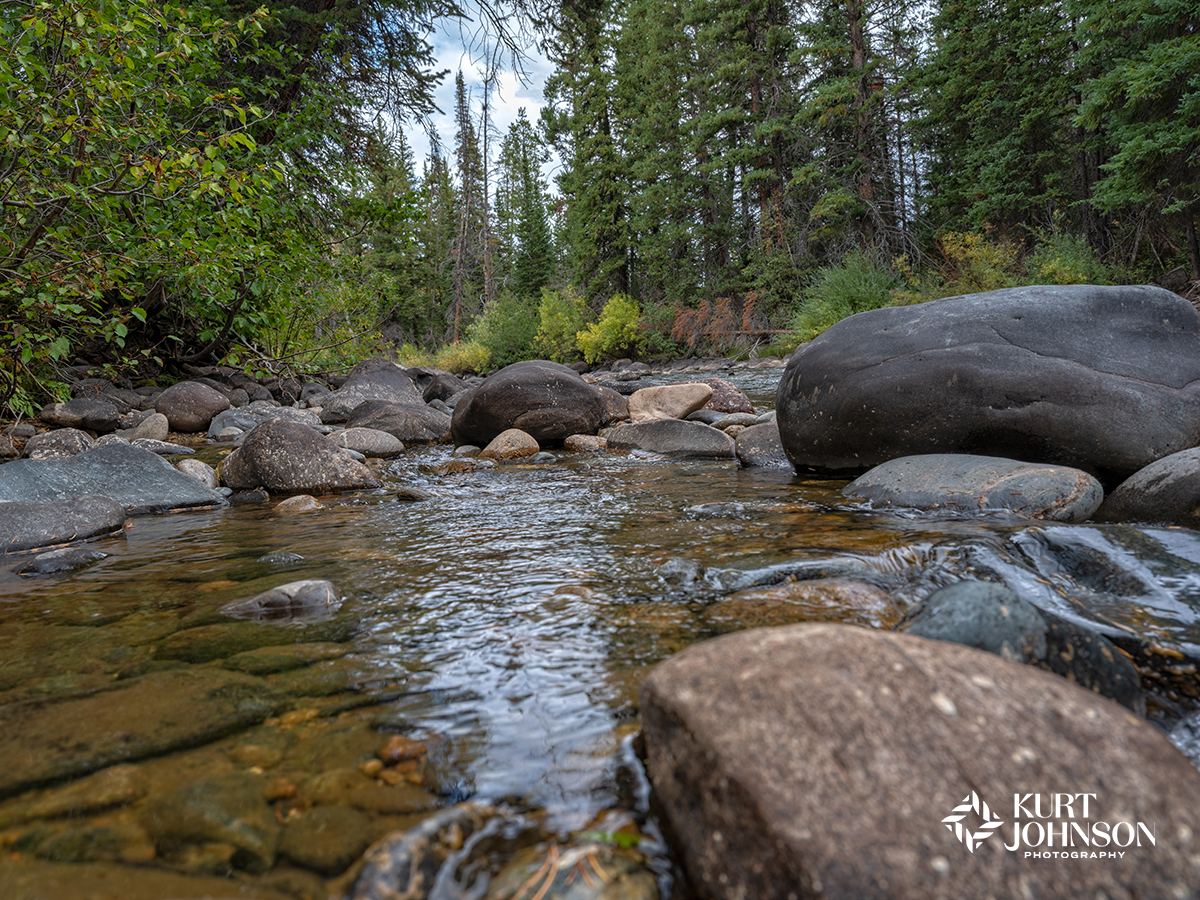
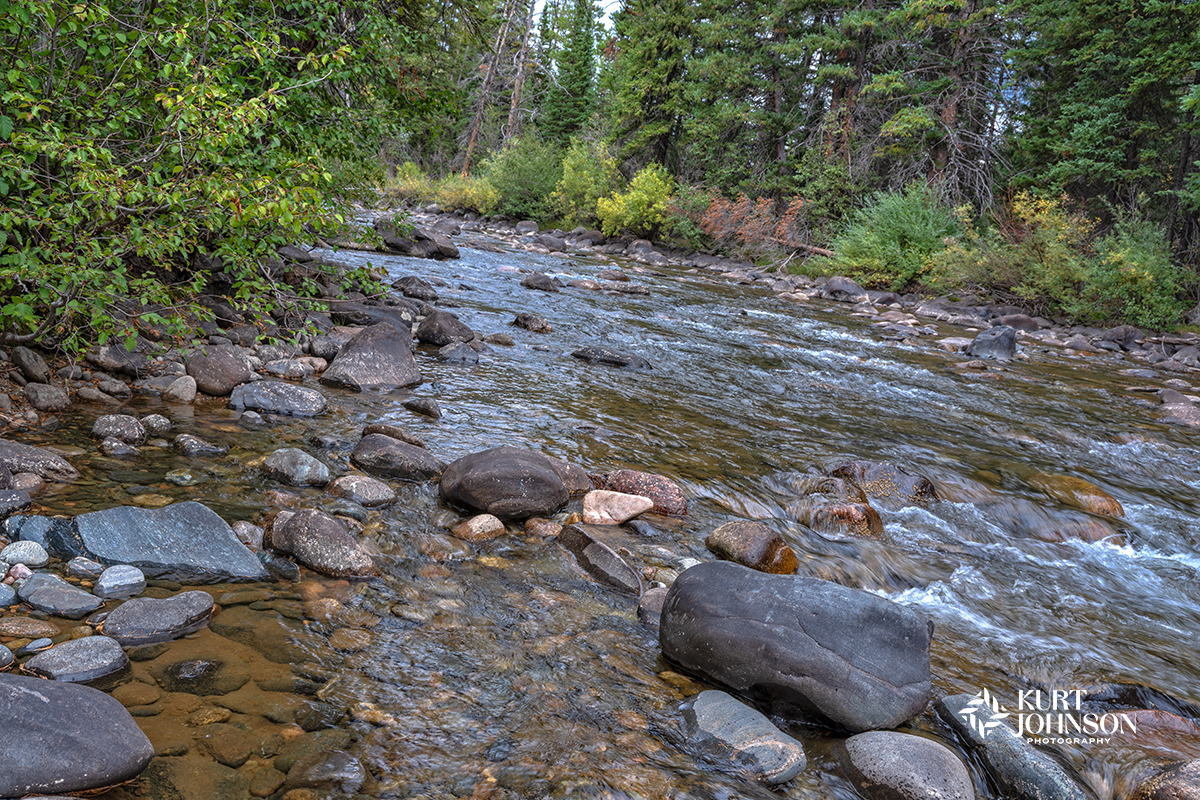
In Colorado, the creeks did what they do best. Water slipped over rocks, slowed in shallow pools, then gathered itself again. These scenes were photographed to feel steady and peaceful in a place where nerves and anxiety can often linger uninvited.
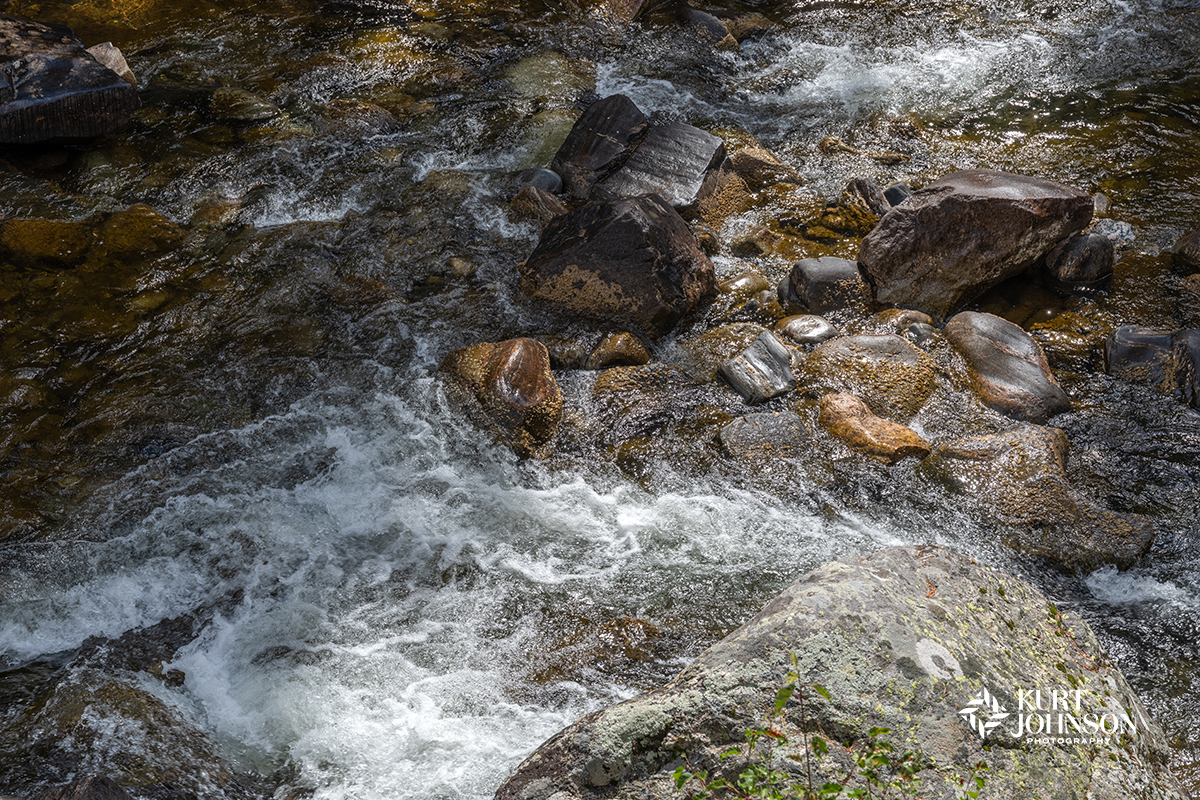
Some images bring the viewer close, placing them almost at eye level with the water. Others pull back just enough to give a sense of place while keeping the focus on texture and flow. Together, they’re meant to support moments of pause, those quiet seconds when someone is waiting, breathing, or simply needing something gentle to rest their eyes on.
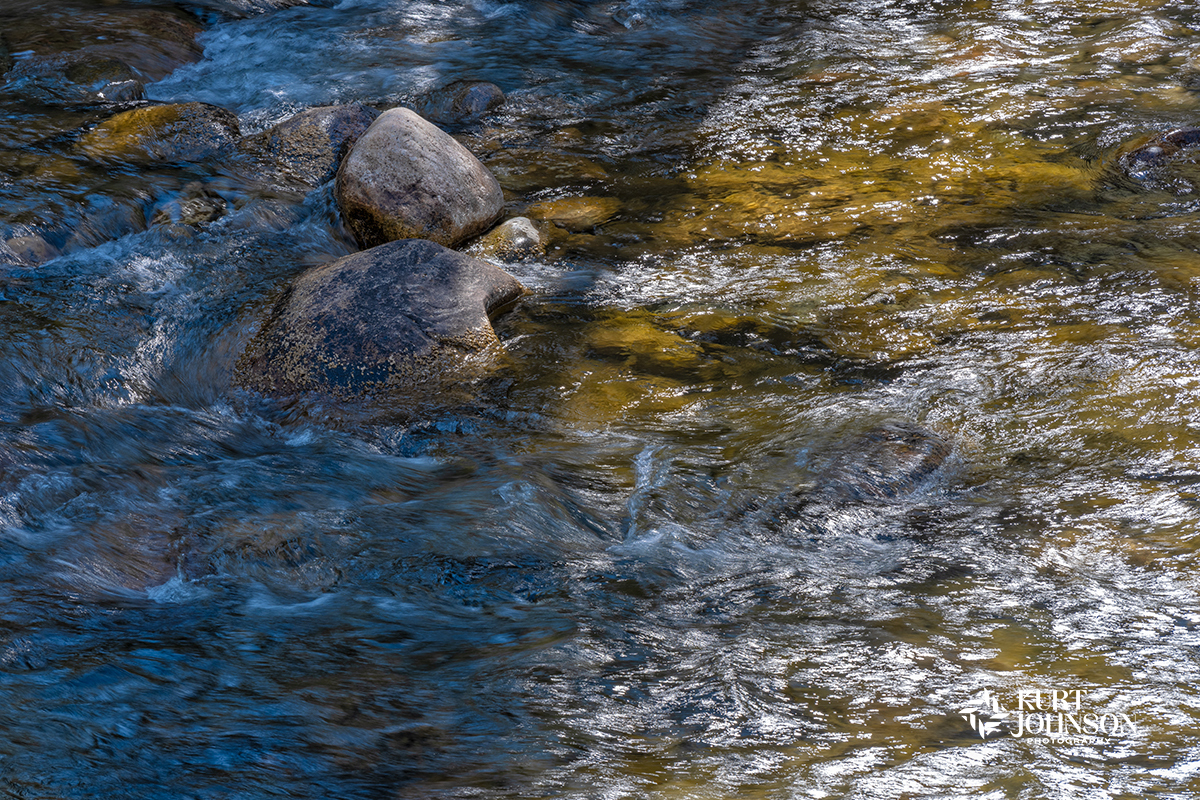
These types of scenes work especially well in waiting areas, infusion rooms, corridors, and staff spaces where calm is essential but often hard to come by.
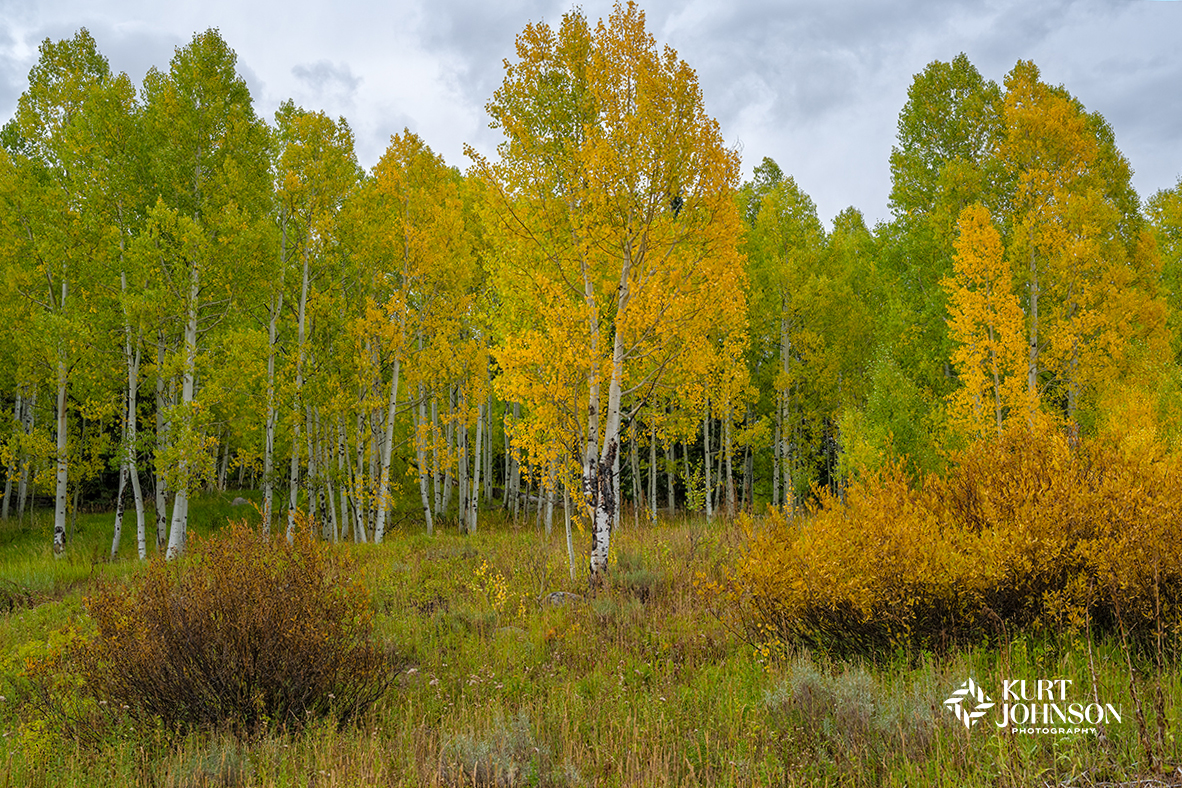
Aspen Groves, Canopies, and a Sense of Refuge
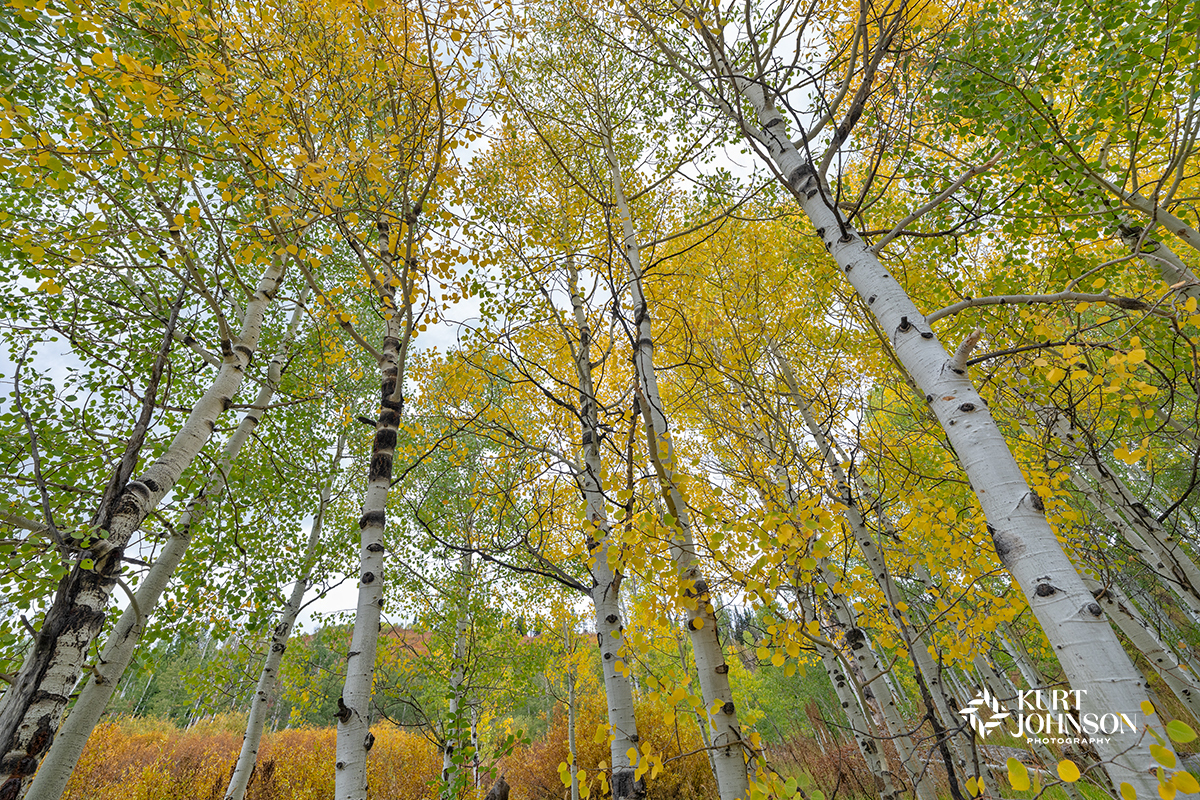
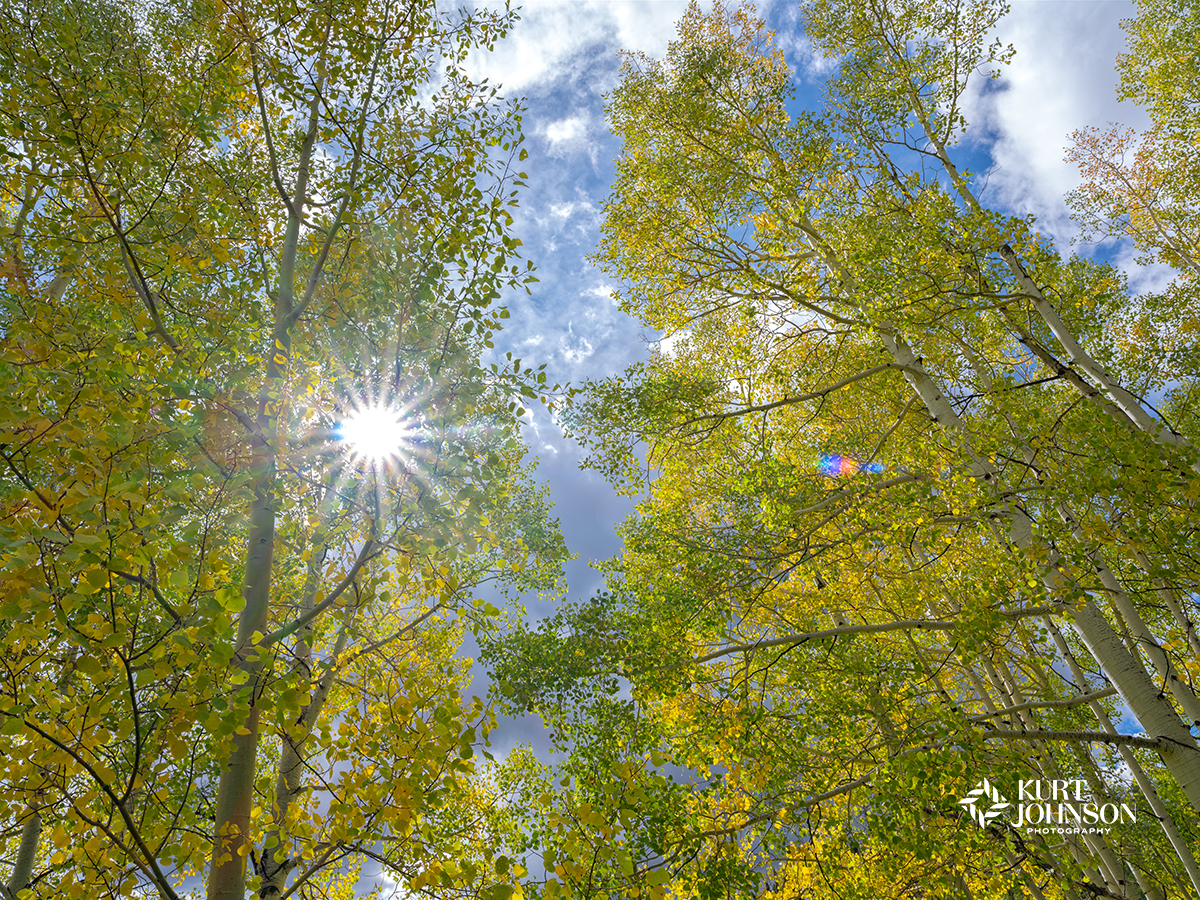
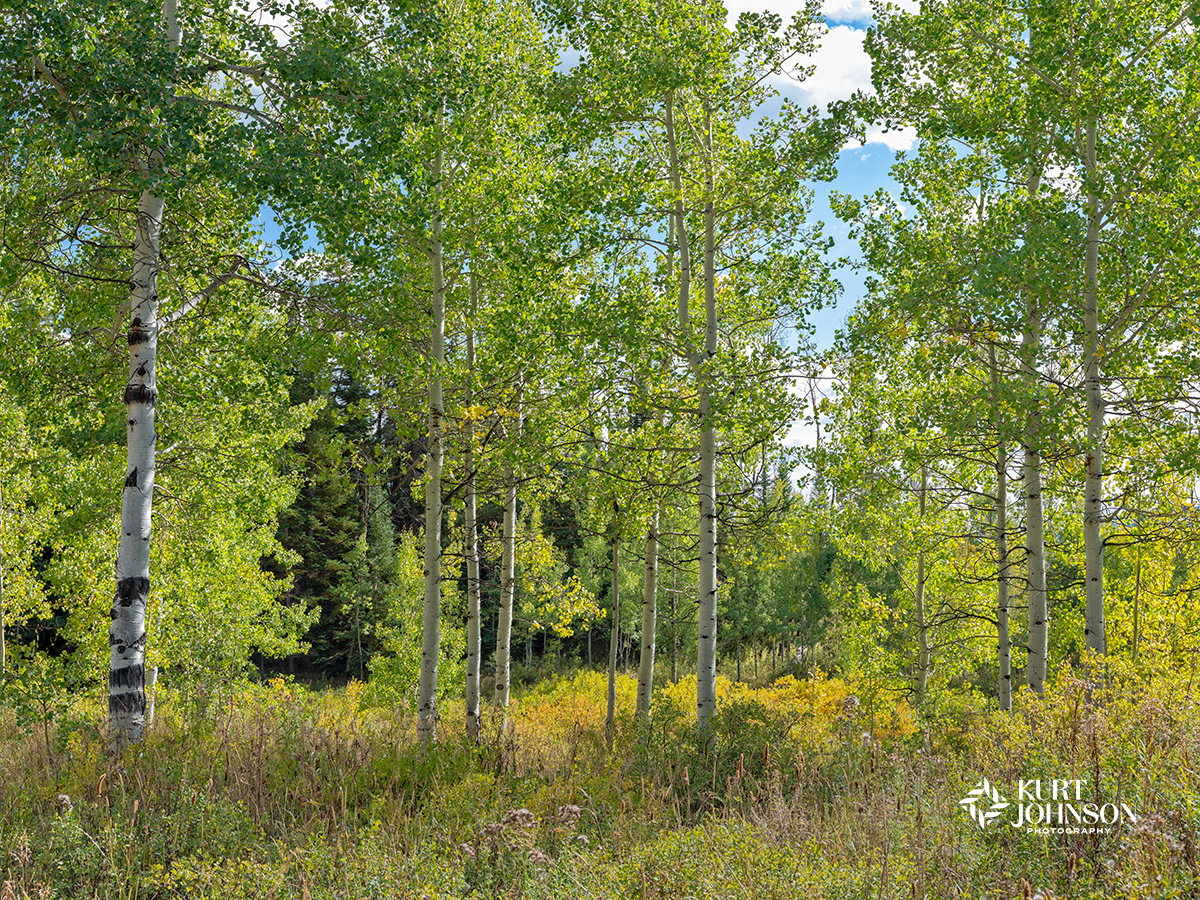
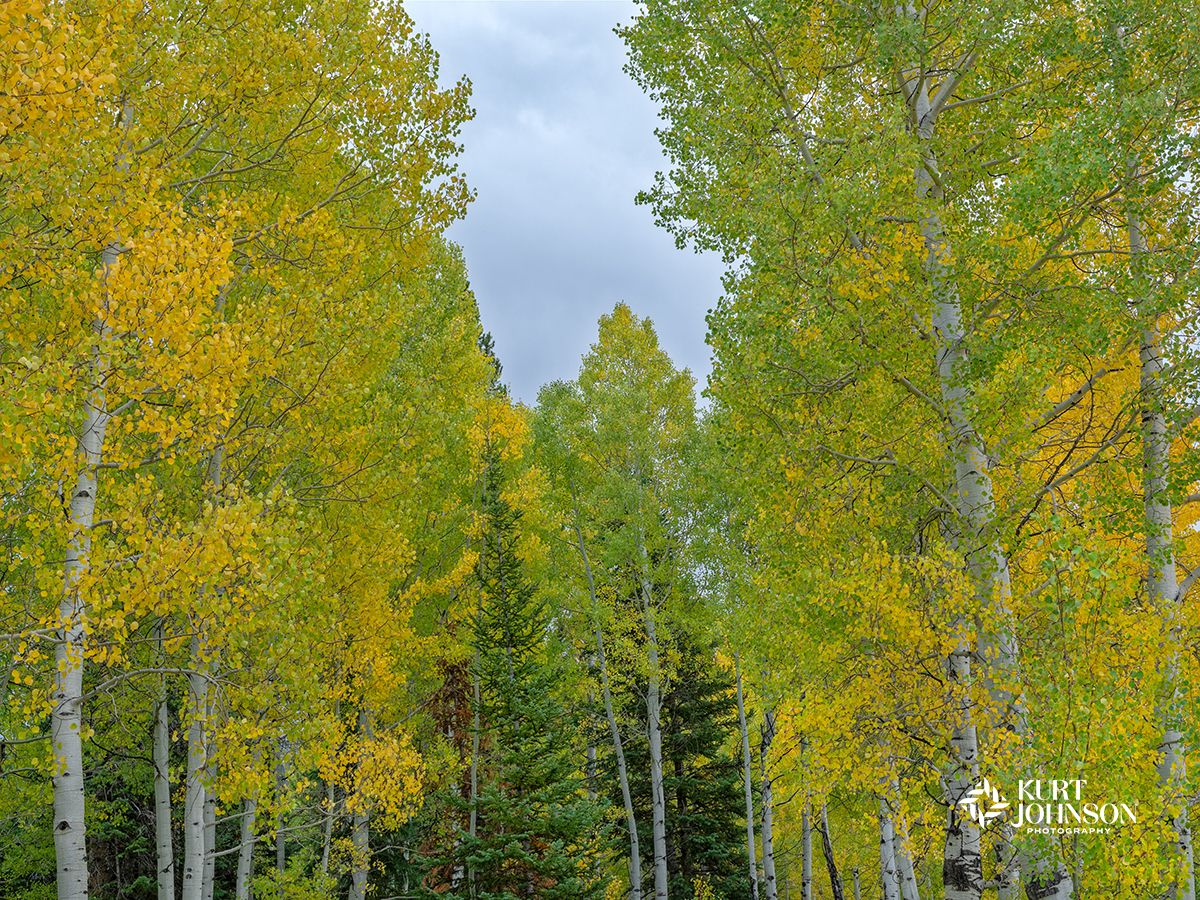
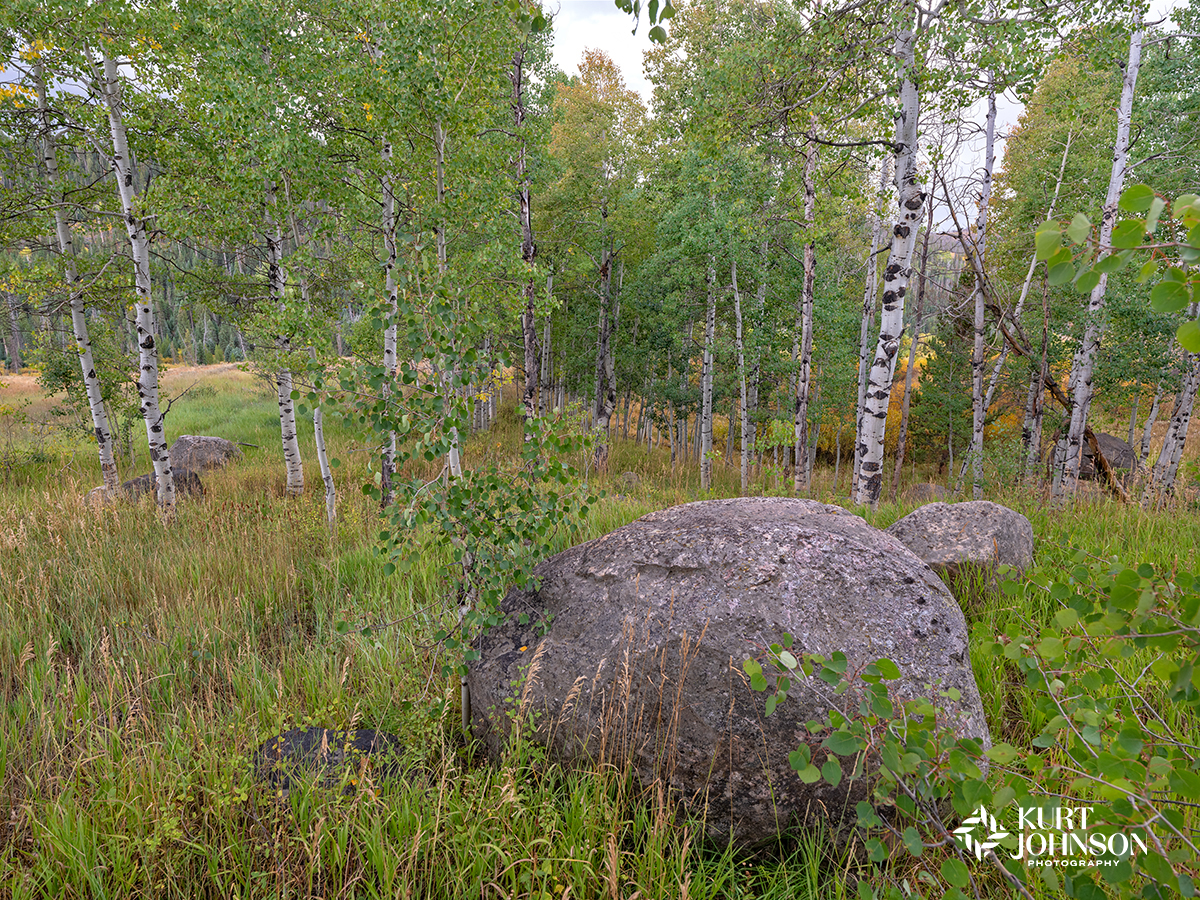
There’s something uniquely calming about standing among aspens. The repetition of white trunks, the filtered light, the way the trees feel both open and protective at the same time. Design researchers call this “prospect and refuge,” but most of us just feel it as comfort.
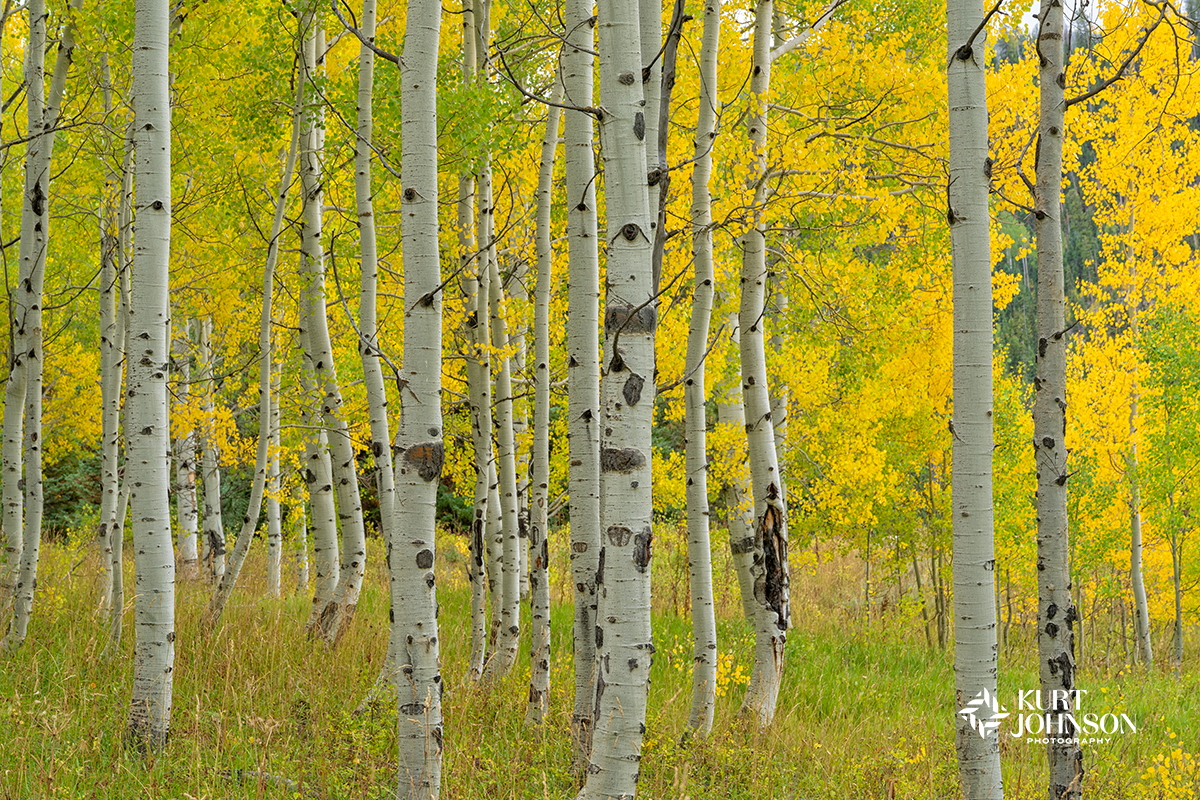 In healthcare environments, this balance matters. Spaces that feel too enclosed can increase anxiety, while overly open spaces can feel exposed. Aspen groves strike a rare middle ground, offering visual shelter while still allowing the eye to move comfortably through the scene.
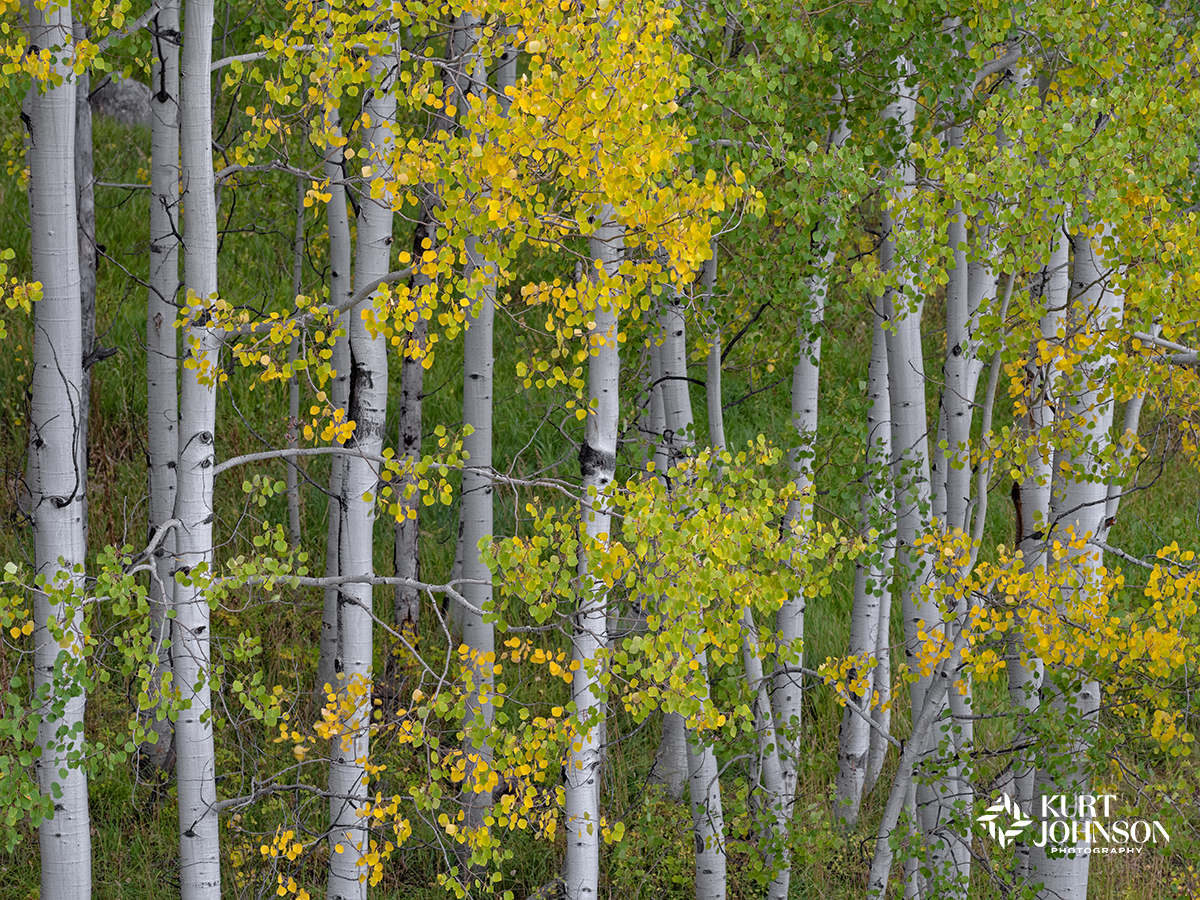
The gentle contrast between light bark and golden leaves adds warmth without overwhelming the space.
Whether viewed up close or from across a room, these forest scenes quietly communicate stability, rhythm, and calm, qualities that matter deeply in places dedicated to healing.
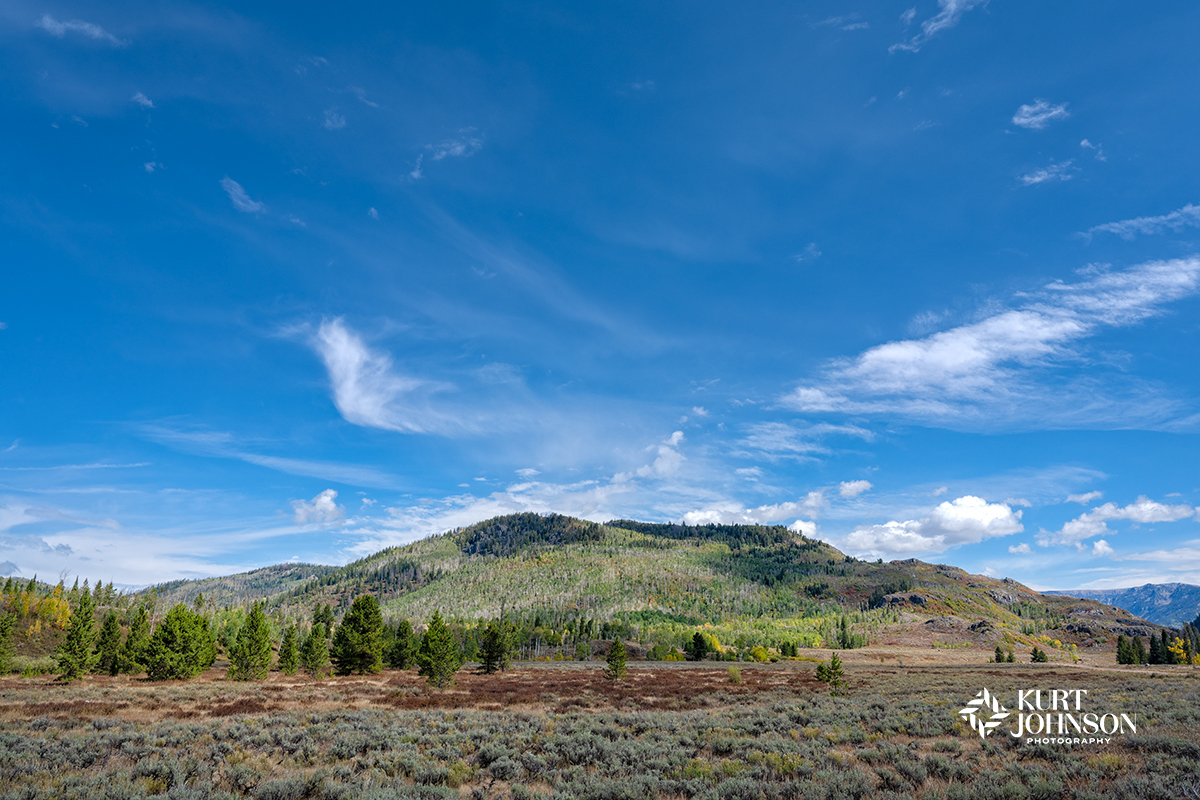
Open Landscapes and the Gift of Visual Breathing Room
Sometimes what people need most is space.
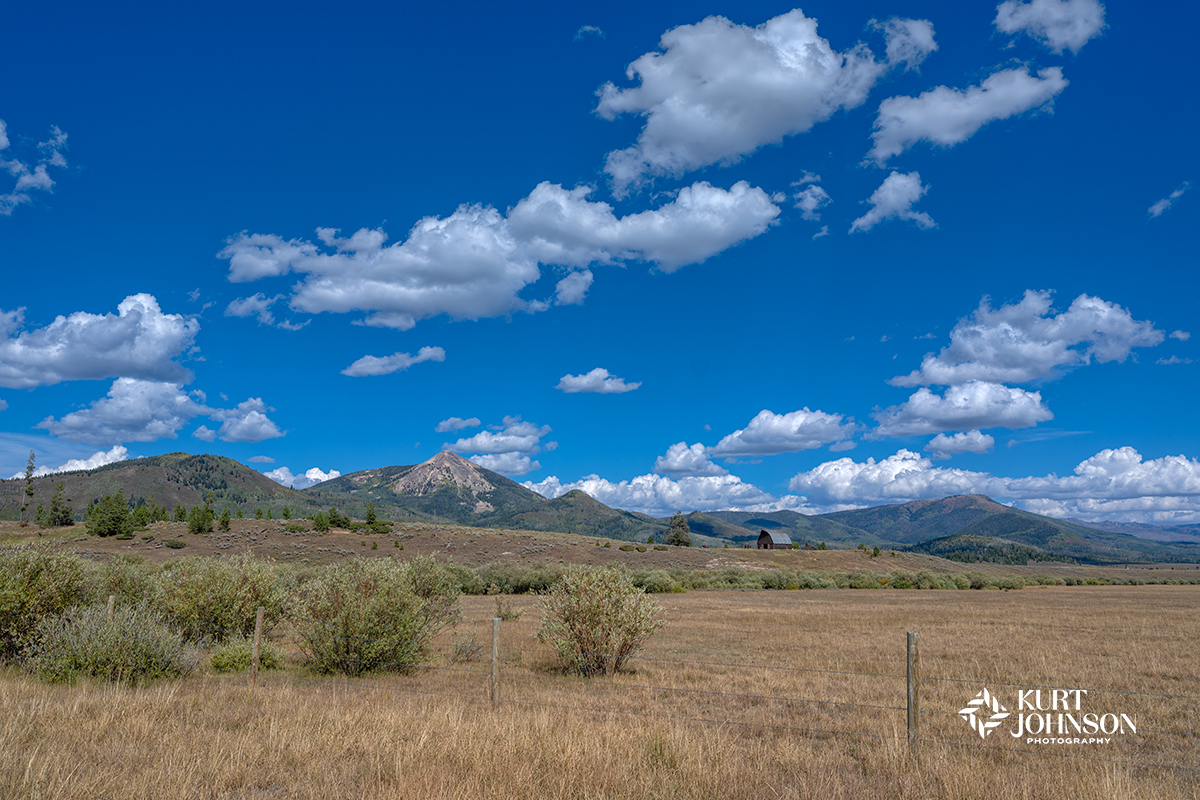
Wide landscapes give the eye somewhere to travel, offering relief from visual clutter and mental fatigue. In healthcare settings, these open views can help reduce feelings of confinement and provide a subtle sense of possibility.
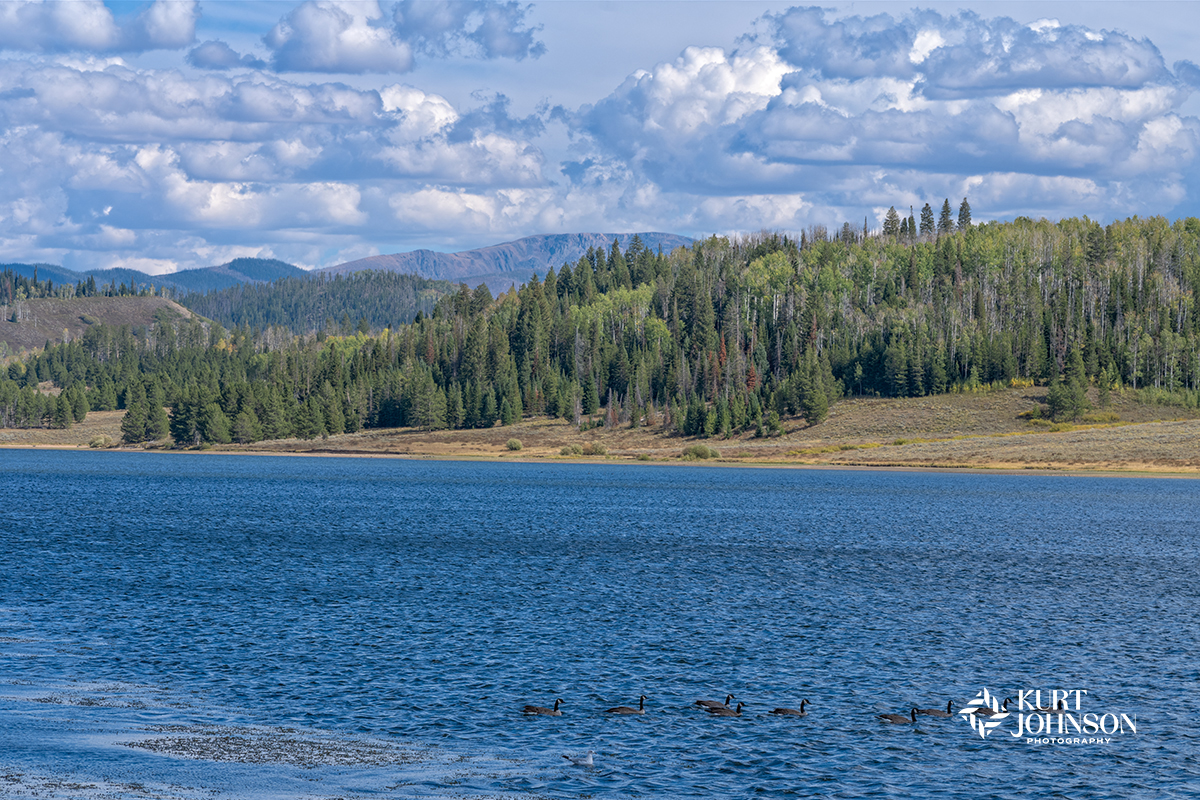
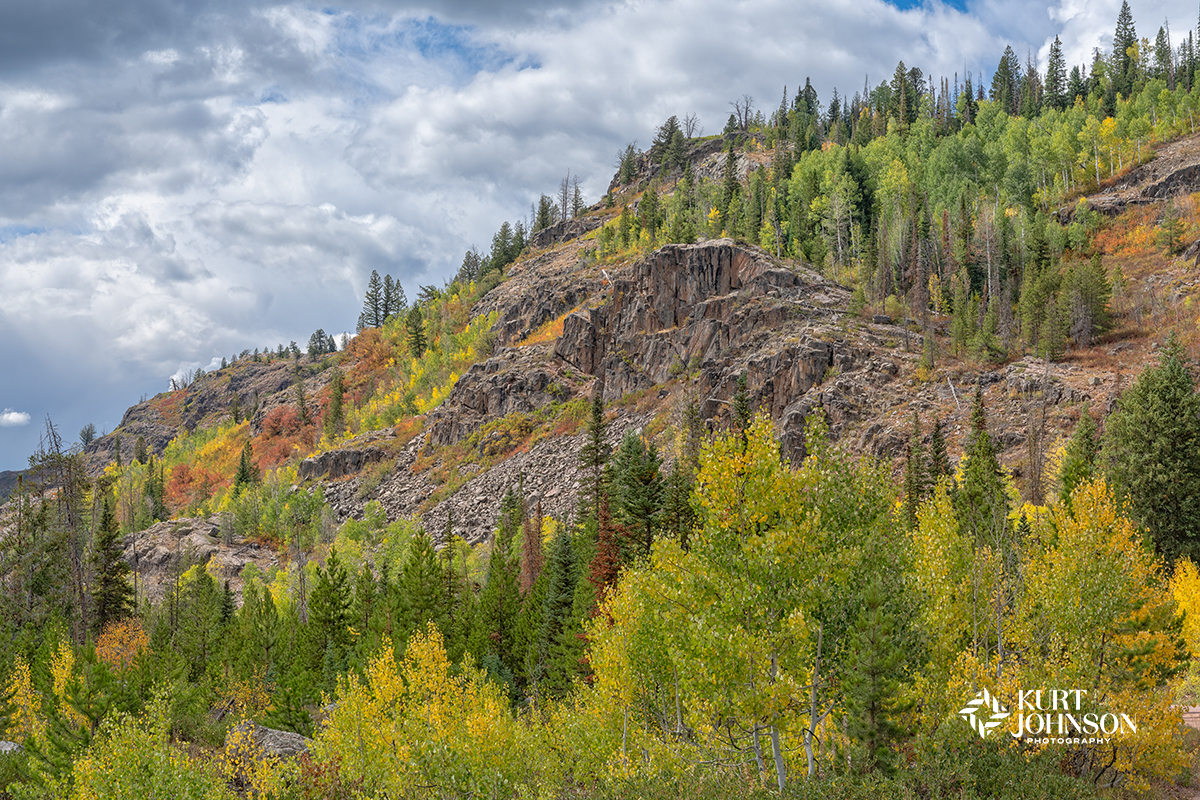
Colorado’s broad valleys, rolling terrain, and expansive skies naturally create that feeling.
These images are particularly effective in larger public areas, entry spaces, consultation rooms, and staff offices, places where moments of openness and distraction can make a meaningful difference.
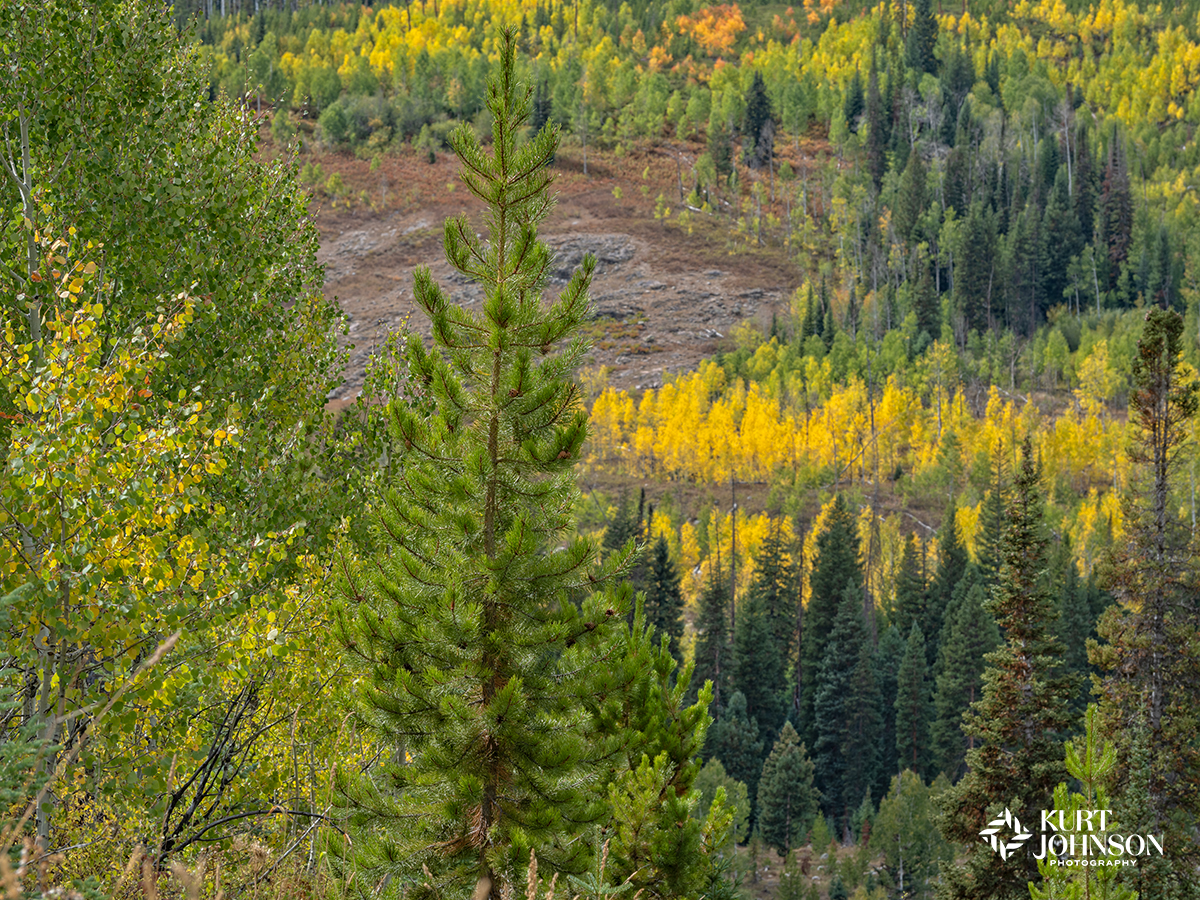
Seasonal Color and Positive Distraction
Fall brings a richness of color that feels both energizing and soothing at the same time. In healthcare spaces, seasonal imagery can quietly lift the atmosphere, bringing in warmth, color, and the beauty of being in the middle of change. For patients who are navigating shifts in routine, lifestyle, or diet, these scenes can act as a gentle reminder that change isn’t always something to fear, sometimes it’s where growth and possibility begin.
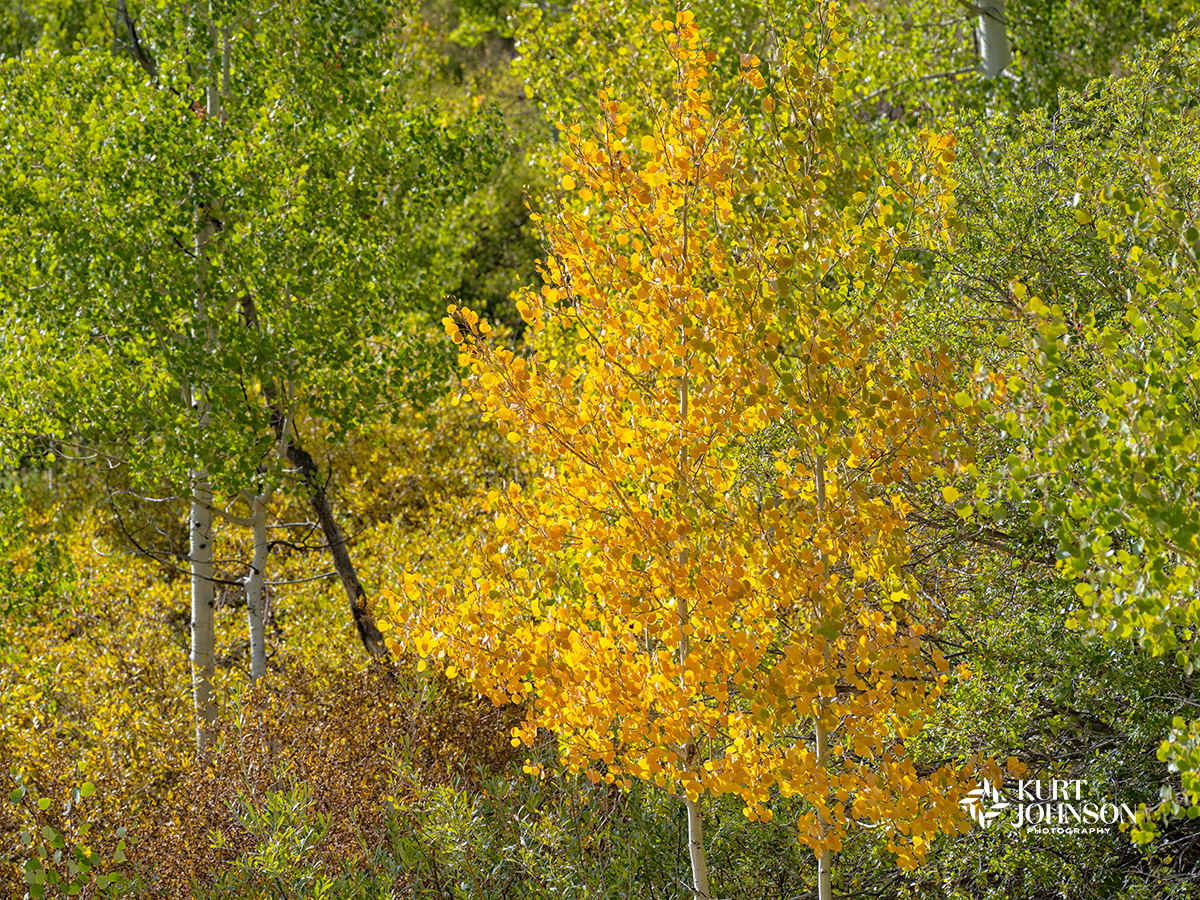
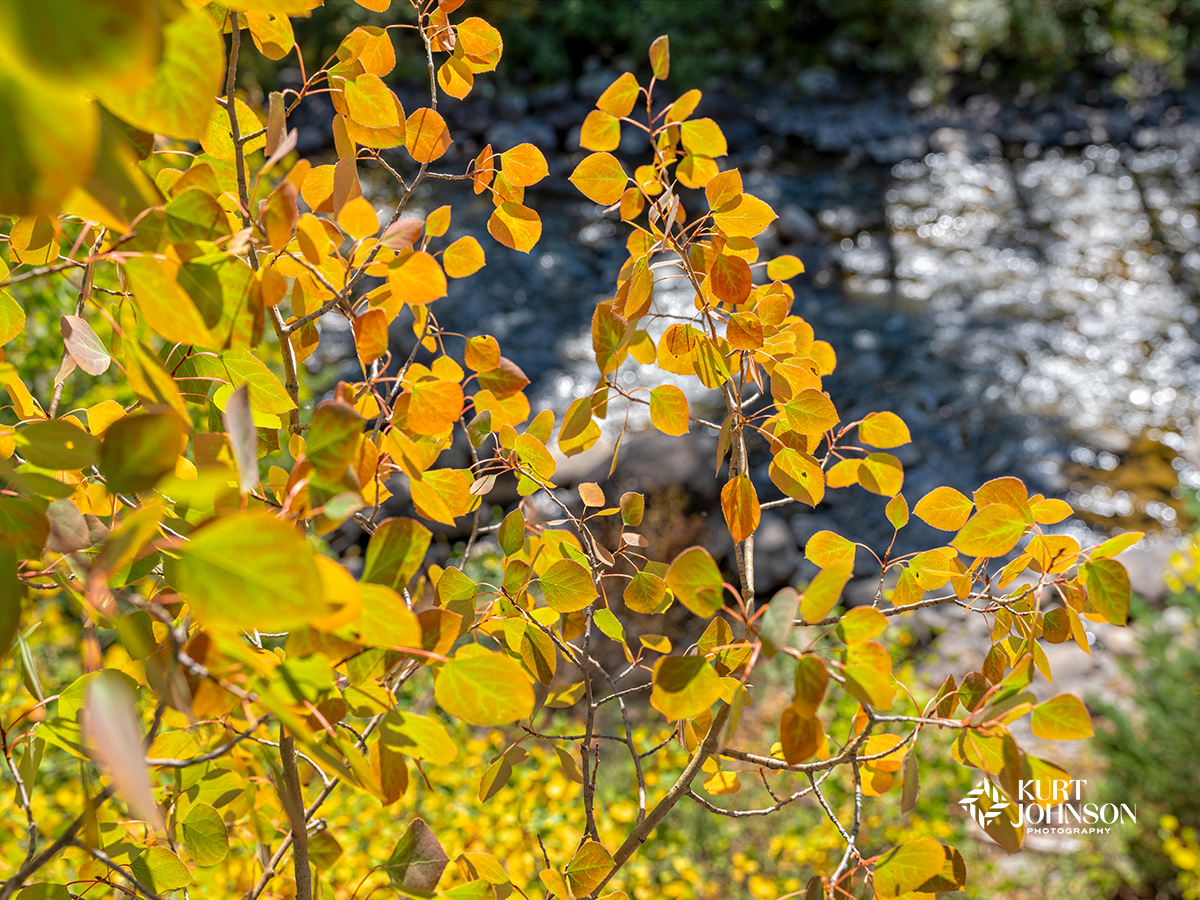
Close-up foliage details and softer compositions work well in smaller spaces or rooms where people may sit for longer periods of time. They add warmth and texture to otherwise sterile spaces.
These images are especially well-suited for exam rooms, consultation areas, therapy spaces, and anywhere the goal is gentle engagement.
Photographing with Healthcare in Mind
Every image in this Colorado collection was created with intention, considering color balance, depth, movement, and emotional tone. The job of these photographs goes beyond just filling walls. It’s about shaping environments that quietly support healing, resilience, and human connection, and that’s when art becomes part of the care team.
Whether used in Colorado-based healthcare projects or for facilities beyond the region, these images are designed to work hard while feeling effortless.
Because healing doesn’t need to shout.
Sometimes it just needs a creek, a stand of aspens, and a little room to breathe.
Interested in using these images for a healthcare project? Custom curation, substrate recommendations, and art placement guidance are available for healthcare environments of all sizes.
(And yes, when it comes to choosing artwork to become a permanent part of your healthcare team… we take the hiring process pretty seriously.)
Categories: Healing, Photography, Travel


