Why “Calm” Is the Most Misunderstood Goal in Healthcare Design
When people talk about creating calm in healthcare design, they sometimes think that means the walls should be minimal or empty. Neutral walls. Sparse corridors. Very little visual stimulation.
But calm doesn’t mean boring. And it definitely doesn’t mean blank, lifeless walls. If you want to get to calm, you have to lean into what makes a space feel comforting and human. And that always starts with nature.
In healthcare environments, where stress, uncertainty, pain, and fatigue are already high, calm needs to do more than look clean. Don’t get us wrong, cleanliness is important. And our art is built specifically for the needs of healthcare (our canvas wraps can be cleaned with a 10% bleach solution).
Art should support the nervous system, reduce anxiety, and help people heal. That’s where biophilic design, and nature imagery in particular, plays a critical role.

Brookstone Gardens, Vetter Senior Living in Kearney, NE.
Calm Isn’t the Absence of Visuals. It’s the Right Kind of Visuals
There’s a common misconception that visual simplicity equals healing. In reality, the wrong kind of simplicity can make healthcare spaces feel sterile, disorienting, and cold.
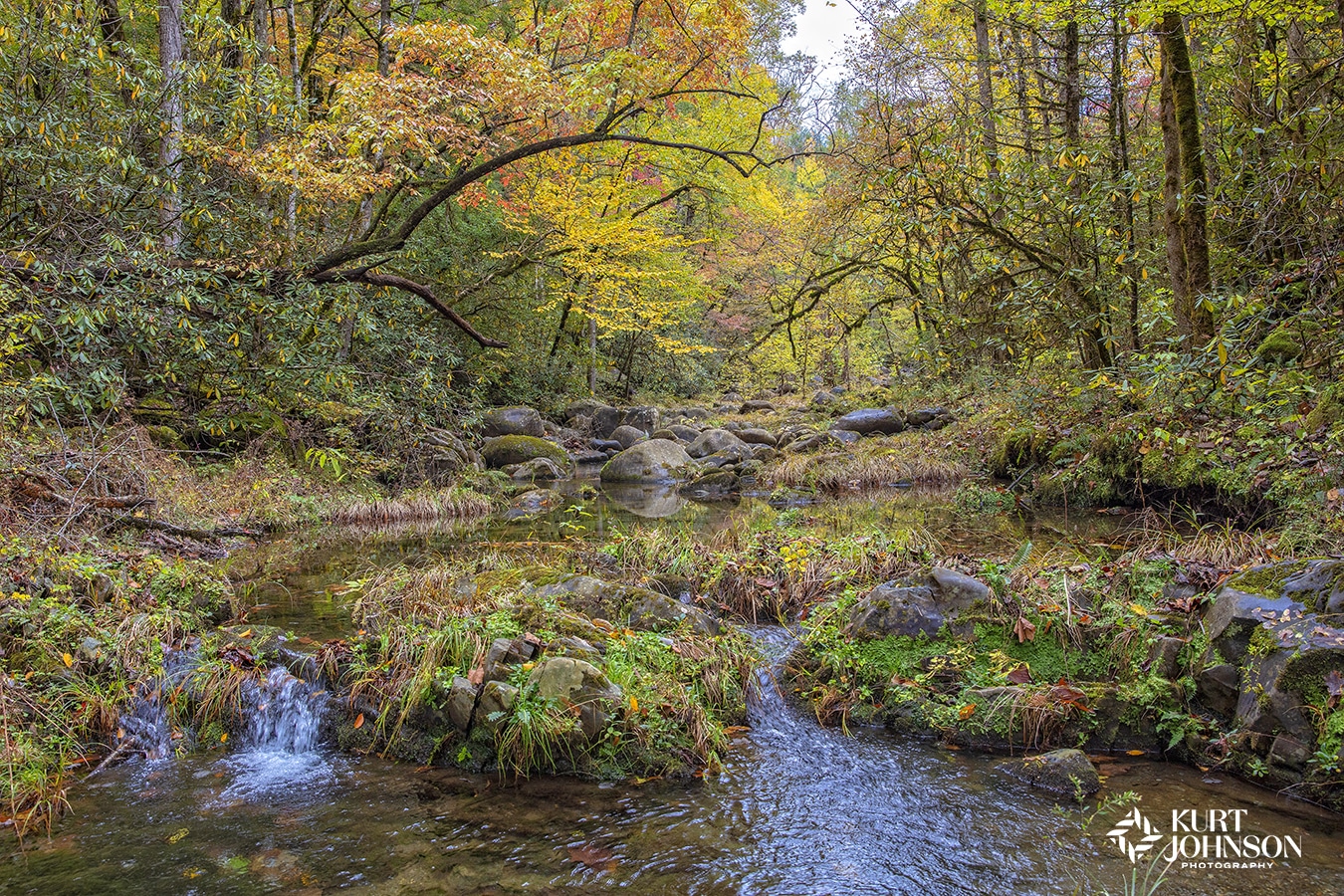
Research in environmental psychology and healthcare design consistently shows that exposure to nature, even through images, is linked to improved outcomes and higher patient satisfaction. Nature imagery gives the brain something familiar, non-threatening, and restorative to focus on, especially during moments of stress.
In other words, calm isn’t created by visual emptiness; it’s created by visual reassurance. And that’s exactly where thoughtfully chosen nature imagery does its most meaningful work.
Why “Too Calm” Can Backfire in Healthcare Spaces
When calm is interpreted as “nothing on the walls,” healthcare environments can unintentionally create the opposite effect.
Overly blank spaces can feel clinical, increase feelings of isolation or unease, and offer no visual anchors for patients during stressful moments.
Our brains are naturally wired to scan environments for safety cues. We’ve done it since our caveman days.
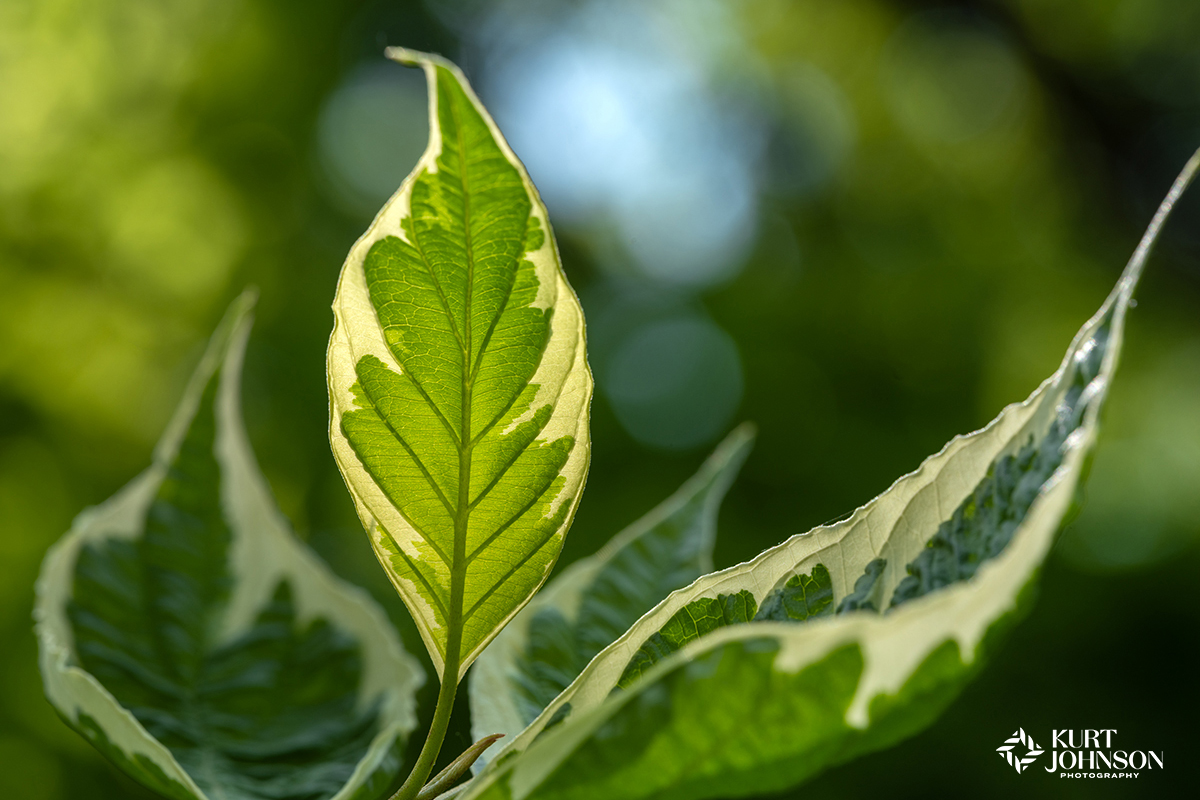
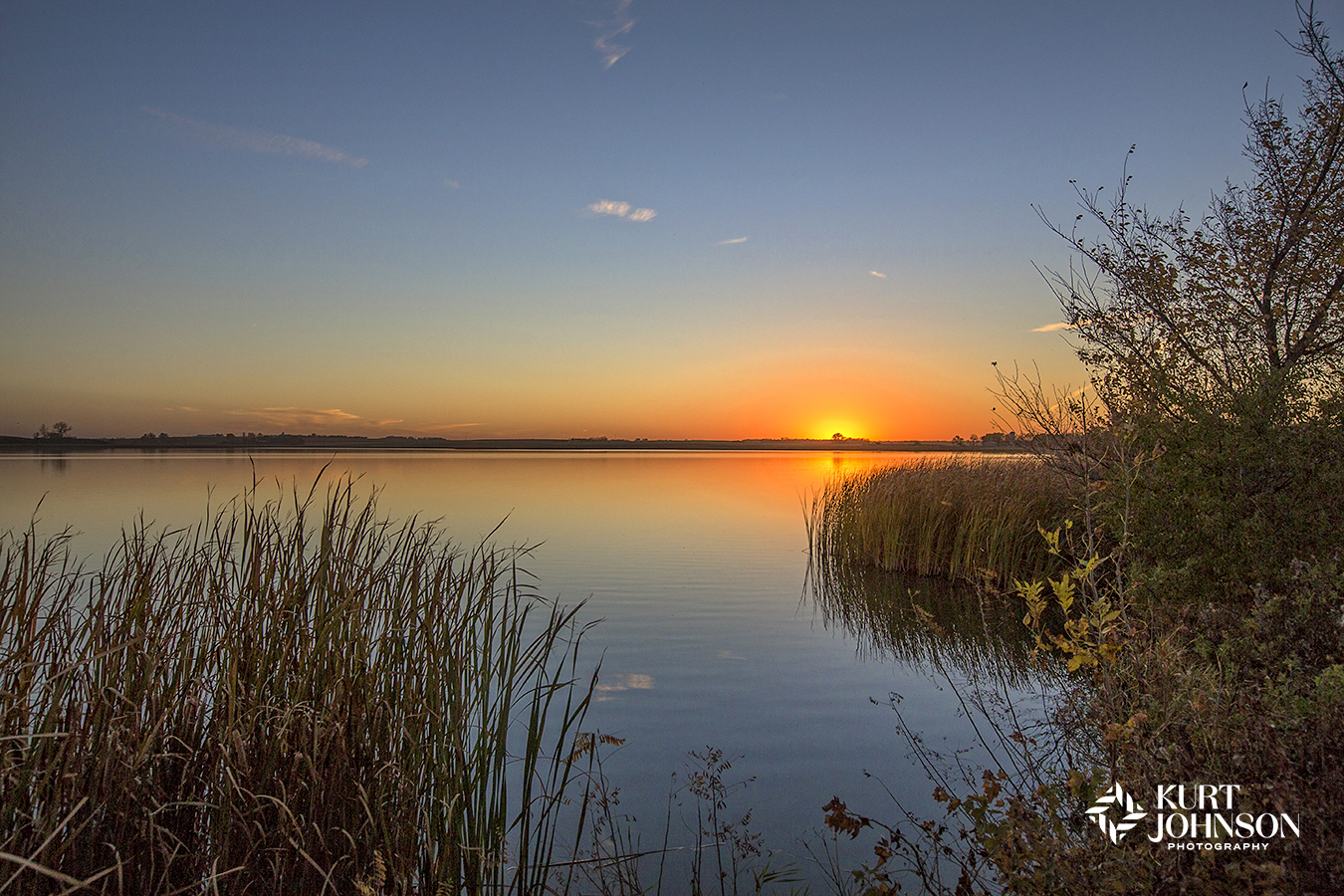
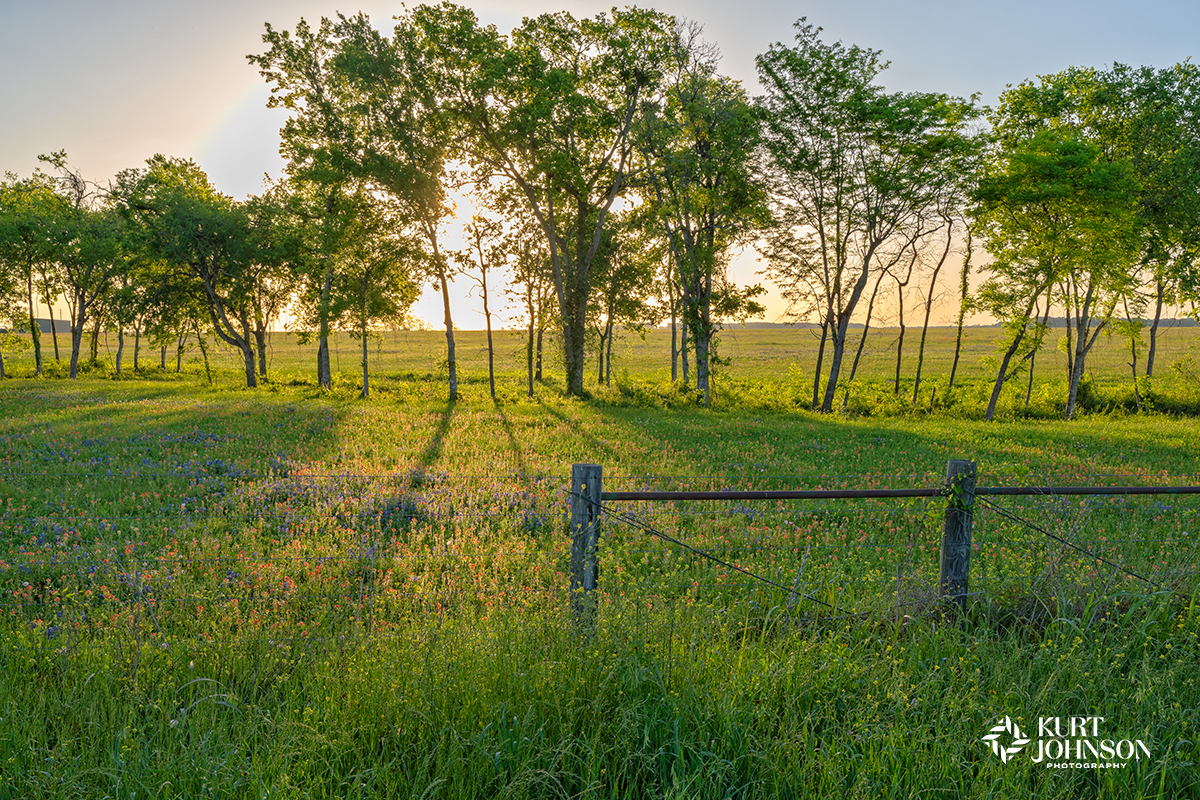
Nature images, including landscapes, trees, water, and local botanicals, provide those cues effortlessly. This is one reason biophilic design has become such a powerful tool in healthcare architecture and interior design. Nature is like the Fonz; it doesn’t demand attention, but it always gets it.
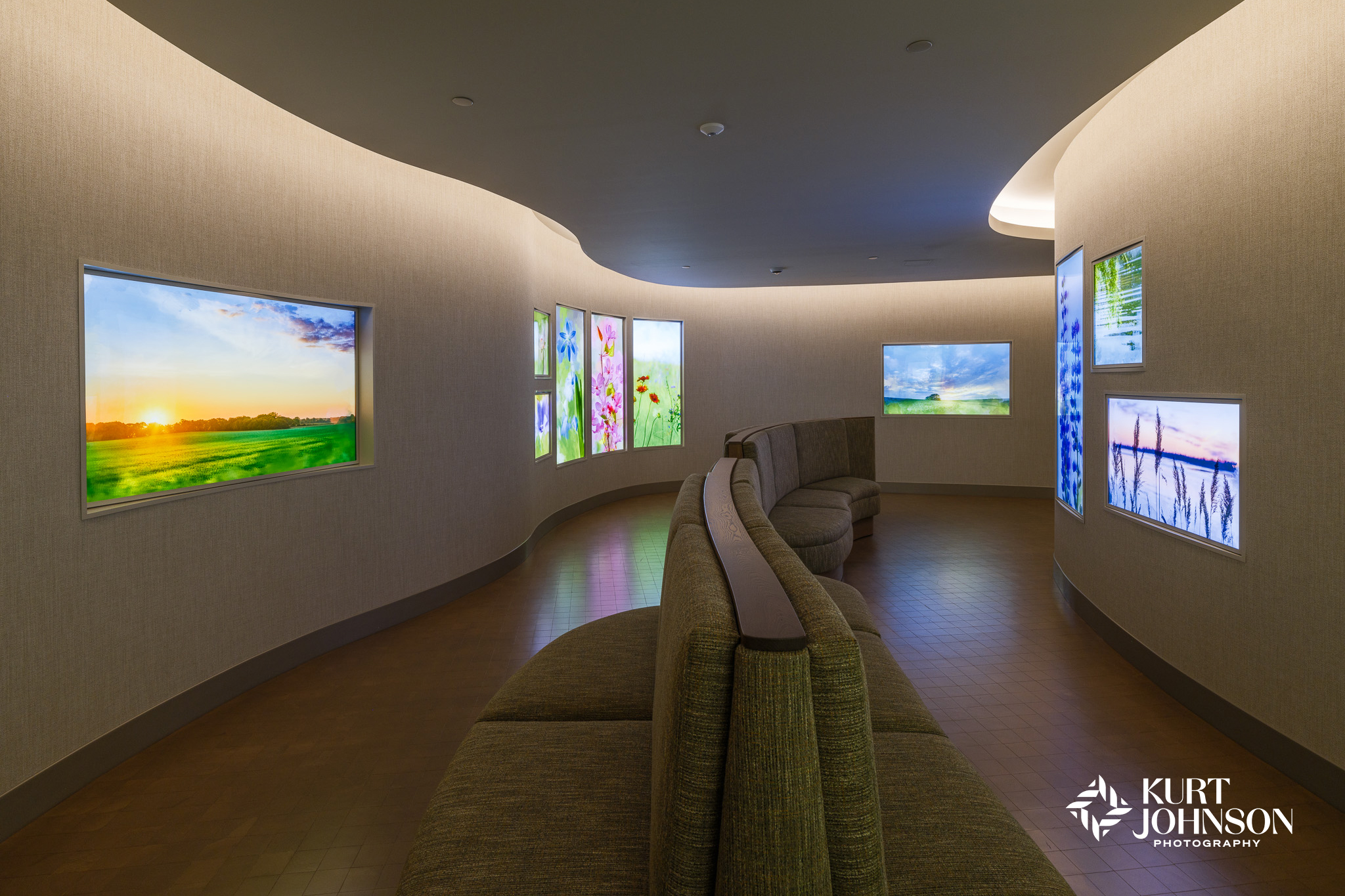
Reflection Room inside Community Alliance’s Center for Mental Health in Omaha, NE.
Calm Doesn’t Mean Boring. It Means Sensory Balance
Healing environments aren’t just visual, they’re sensory. Sound, light, texture, and imagery all work together to shape how spaces feel.
Healthcare research has shown that environments with balanced sensory input, support relaxation and emotional regulation. Nature imagery contributes to that balance by offering visual rhythm, depth, and softness without overstimulation.
Think of it as quiet engagement, not distraction.

Well-chosen nature photographs:
- Reduce stress and anxiety.
- Lower blood pressure.
- Reduce the need for pain medication.
- Increase patients’ trust and confidence.
- Are positive distractions for patients, visitors, family members, and staff.
- Decrease the length of hospital stays.
*Ulrich R.S. and Gilpin L. (2003). Healing arts: Nutrition for the Soul.
This is especially important in waiting rooms, patient rooms, infusion areas, and long corridors where anxiety tends to build.

Why Nature Photography Works Well in Healthcare
The most effective healthcare environments don’t strip away visual interest, they curate it intentionally.


As a nature photography team working in healthcare environments, we see firsthand how high-quality nature images bring the benefits of the outdoors inside, support evidence-based healthcare design goals, and offer consistent access to nature when real views aren’t possible.
Studies consistently show that representational, realistic nature imagery, not abstract art, is most effective in reducing stress and supporting healing outcomes. Patients don’t need to interpret what they’re seeing. But they still feel it.
When healthcare facilities choose nature images backed by research, they’re creating environments that foster connection, relay warmth, and ultimately feel more human. Nature art improves outcomes for the entire care team. And we think that’s a kind of calm worth designing for.
Categories: Healing, Healthcare, Research