Healthcare Art That Works: 5 Types of Nature Photography That Support Healing
If you’ve ever walked through a healthcare space, whether it’s a hospital lobby, a clinic waiting room, or a long corridor between exam rooms, you know how powerful the visual environment can be. In places where stress, uncertainty, and fatigue are common, the right kind of art can feel like a breath of fresh air.
At Kurt Johnson Photography, our team spends lots of time inside healthcare environments. Over the past year, we’ve traveled across the country working alongside hospital CEOs, healthcare designers, architects, and facility planners. As we collaborated on new installations and art refreshes, clear patterns emerged around the types of nature photography most often chosen for healthcare projects.
So what makes these images rise to the top?
Why do certain scenes consistently resonate with patients, visitors, and staff?
And how do these choices connect to the growing body of research behind biophilic design?
Let’s break it down!

Integrating Biophilic Design in Healthcare: Why Nature Photography Works
Before diving into the specific image categories, it helps to understand the why behind them.
Biophilic design is an evidence‑based approach that integrates natural elements into the built environment to support human well‑being. In healthcare settings, research consistently shows that exposure to nature, whether through views, materials, or nature imagery, can help reduce stress, support emotional regulation, and improve overall perception of care. Pretty impressive outcomes when it comes to an industry dedicated to healing (Source: PubMed, 2025).
Even when windows or outdoor access aren’t possible, thoughtfully selected nature photography for healthcare can offer many of the same benefits. Studies like the one mentioned above show that visual connections to nature help calm the nervous system, support attention restoration, and create environments that feel more humane and supportive.
With that foundation in mind, here are the five types of nature photographs that continue to perform best in healthcare environments and why:
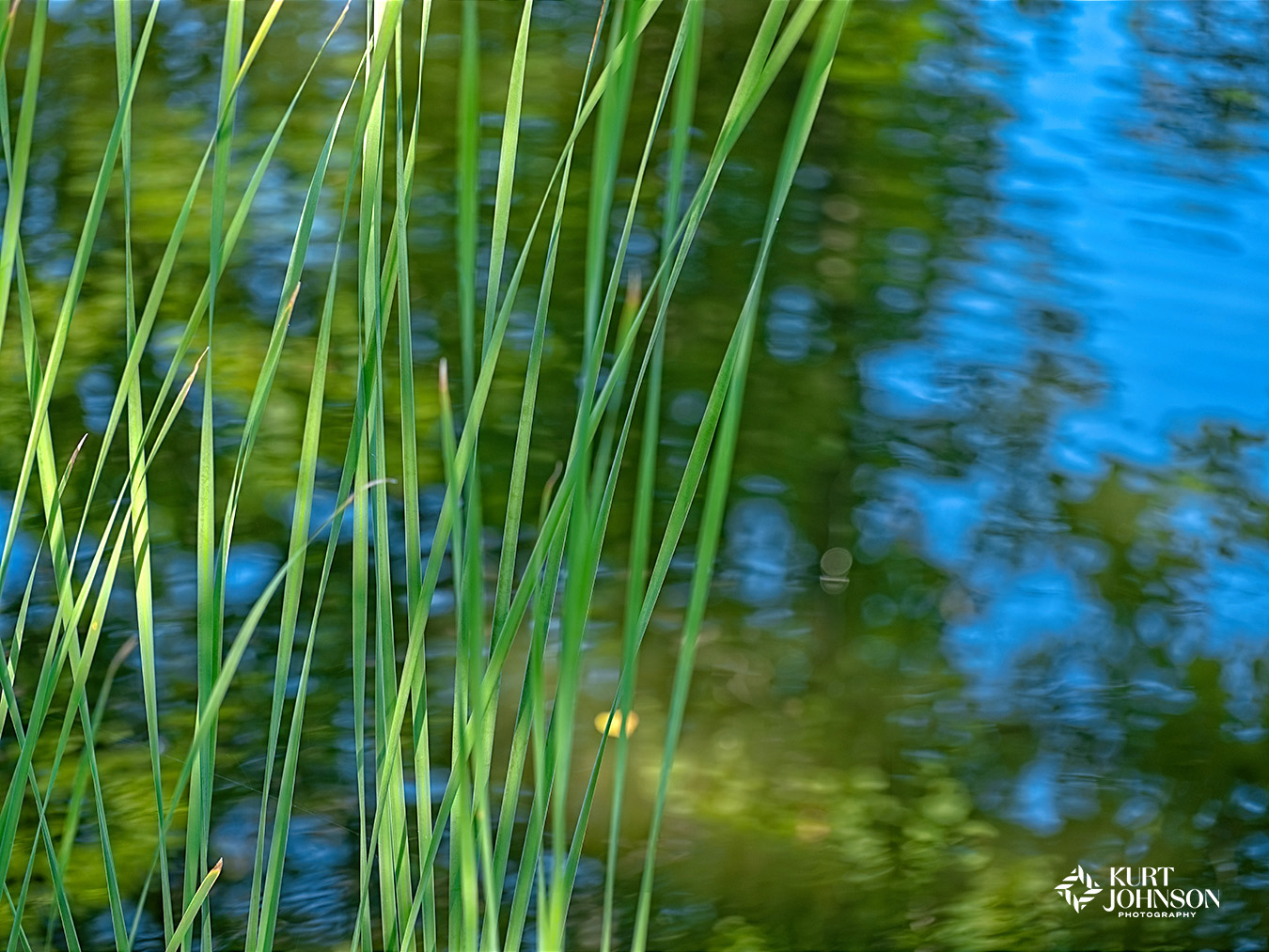
- Water Scenes: Calm in Motion
There’s something universal about the calming effect of water. Images featuring ponds, lakes, rivers, or soft reflections consistently rank among our most selected healthcare photographs.
These scenes work especially well because they:
- Help reduce visual stress and promote calm.
- Feel neutral and versatile without fading into the background.
- Lean into blue hues that strengthen visual connections to water and the natural world.
From a design perspective, water photography fits seamlessly into many healthcare interiors, from large public lobbies to quiet patient corridors. The gentle movement captured in these images keeps the eye engaged without overstimulation.
Research supports this preference. Reviews of biophilic design in healthcare environments show that visual exposure to natural elements like water is associated with reduced stress and improved well‑being, even when experienced through images rather than direct contact.
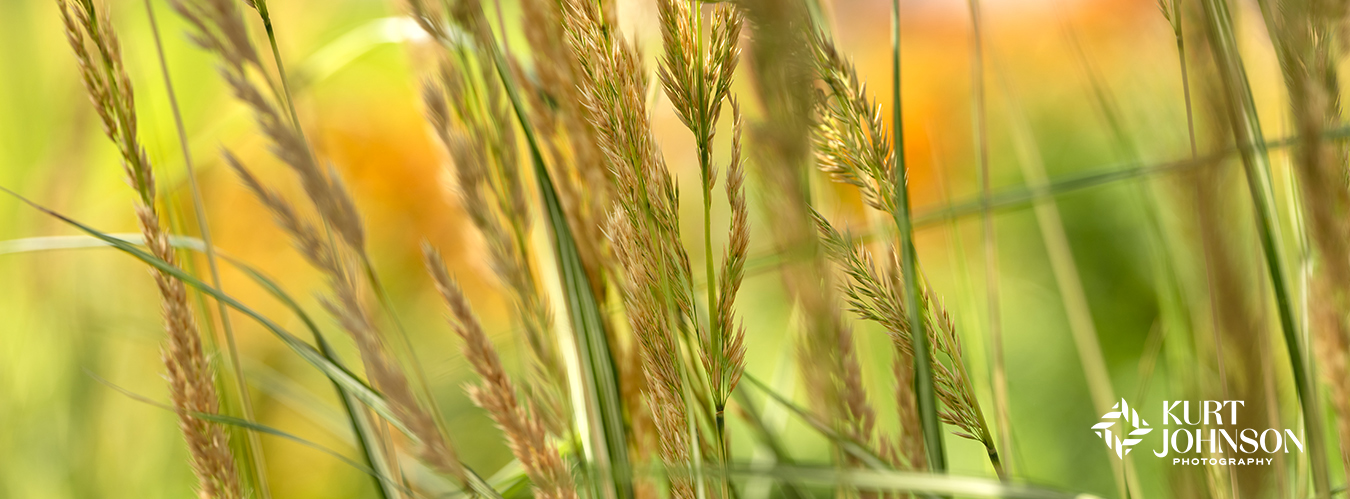
- Grasses & Reeds: Subtle Strength and Quiet Movement
Tall grasses, reeds emerging from water, and soft vertical forms have become increasingly popular in healthcare environments. These images feel alive, yet restrained.
What makes them effective in healthcare settings?
- Support calm, restorative environments through subtle movement.
- Use organic lines that promote visual comfort.
- Introduce texture in a way that feels balanced and unobtrusive.
From a biophilic standpoint, these natural patterns mirror forms our brains recognize as safe and restorative. That makes them particularly well-suited for waiting areas, transitional spaces, and long hallways where visual overload can easily occur.
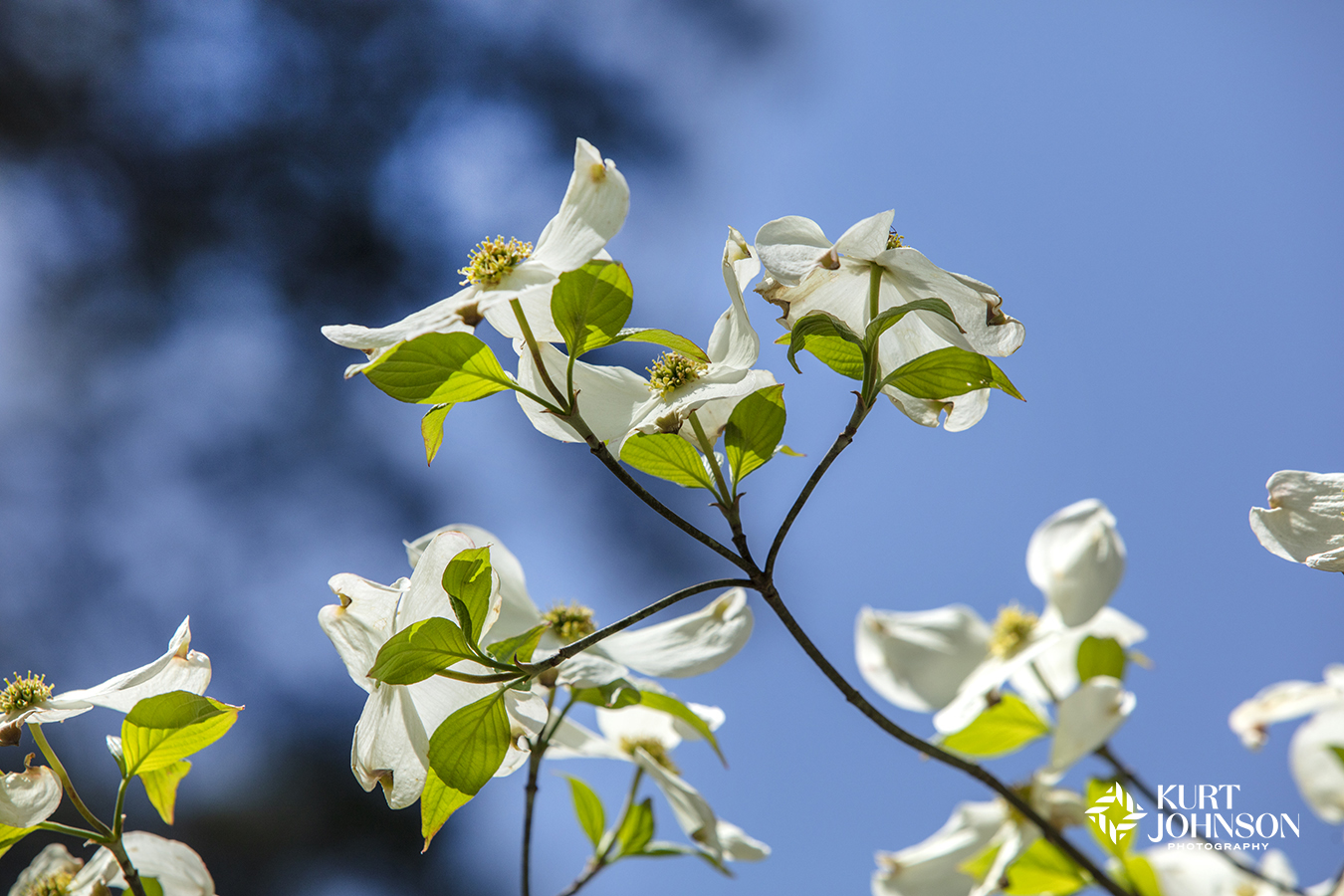
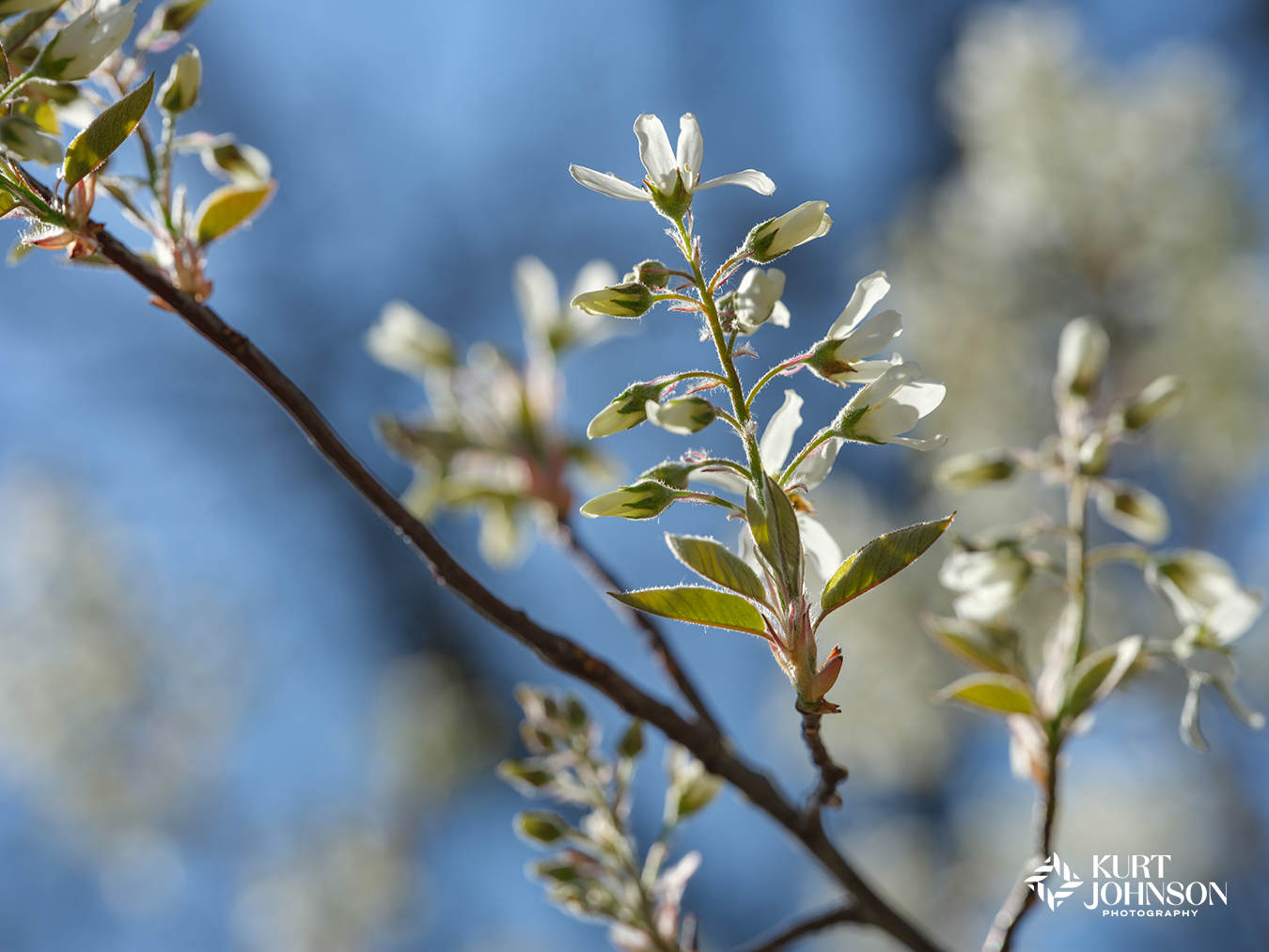
- Botanicals & Branches: Hope and Renewal in the Details
Botanical photography, soft blooms, flowering branches, and close‑up flowers and plant details continue to resonate deeply with patients and staff alike. These images often evoke feelings of renewal, growth, and gentle optimism.
They’re especially effective in:
- Patient rooms
- Women’s health spaces
- Rehabilitation and recovery centers
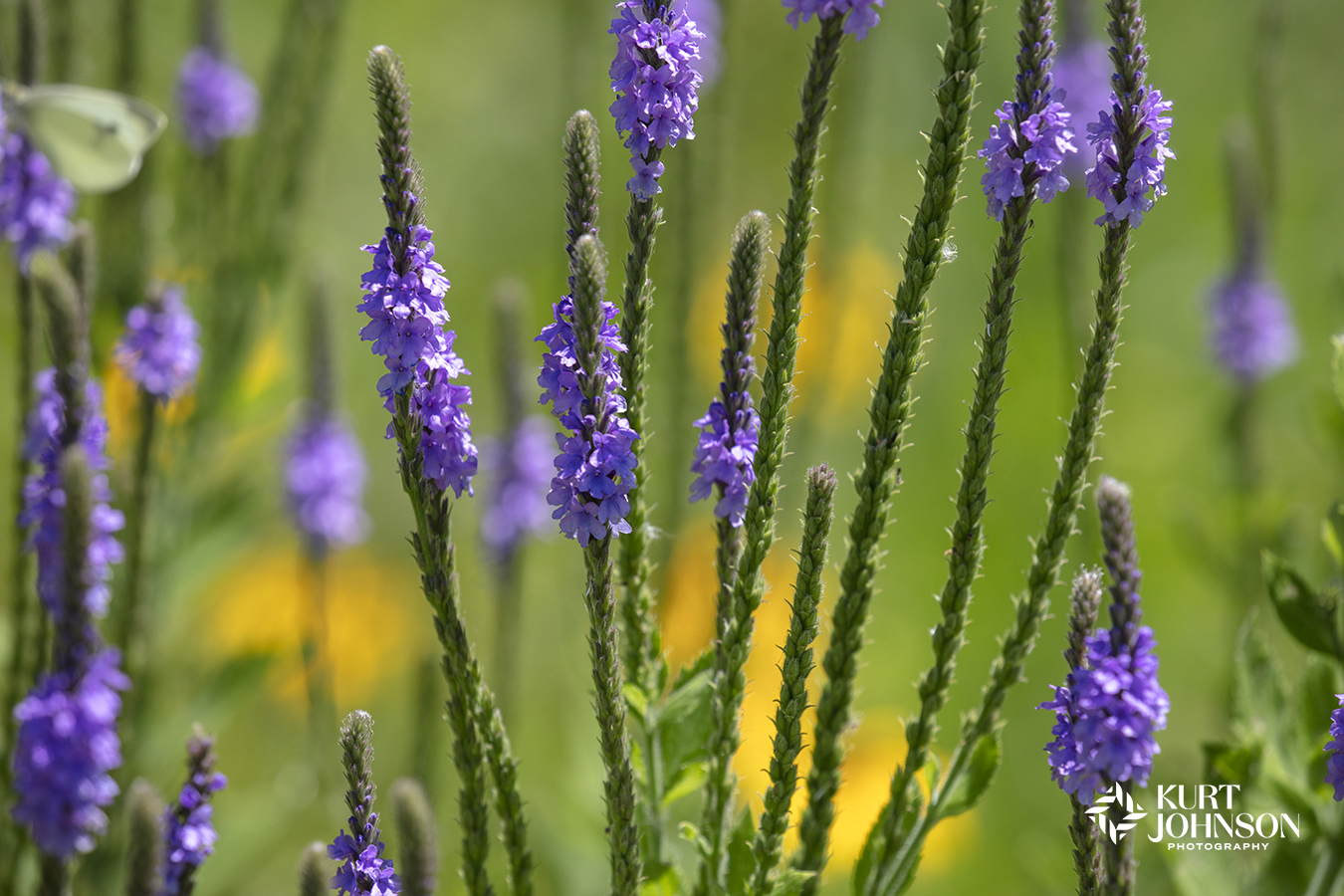
Studies in healthcare environments have found that rooms featuring nature imagery are rated significantly higher for overall room quality and patient satisfaction compared to rooms without nature visuals (Source: Pub Med, 2021). Even small botanical details can meaningfully influence how a space feels.
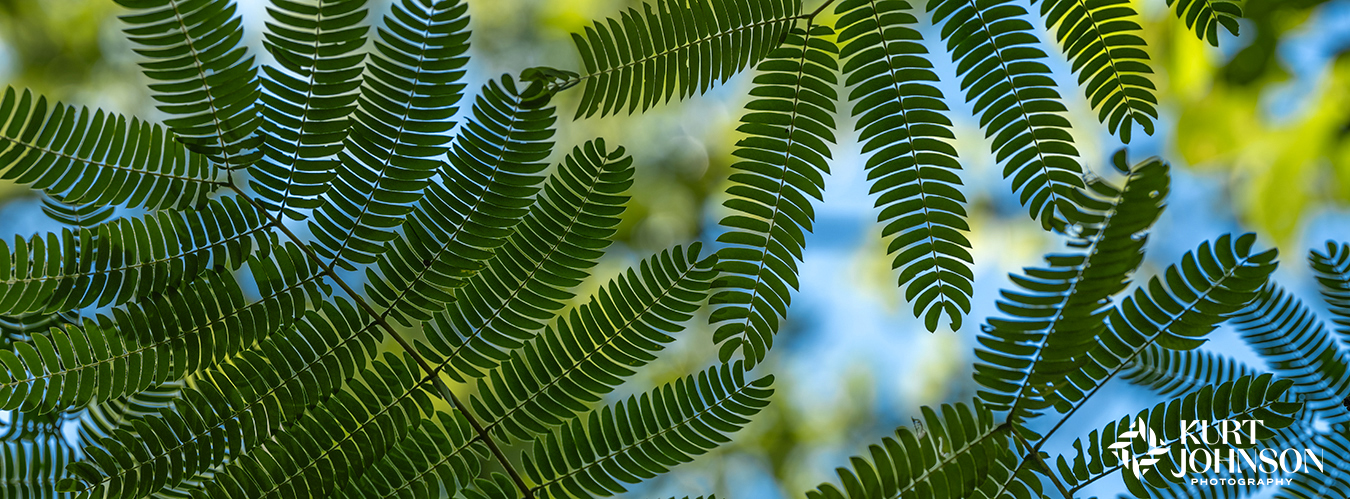
When people describe a “healing environment,” lush greens are often part of that picture (and for good reason). Leafy patterns, ferns, and layered greenery tap into deeply ingrained psychological responses.
According to biophilic design research, natural patterns such as fractals and leaf structures support attention restoration and help reduce mental fatigue. In healthcare environments where cognitive and emotional load is already high, these visuals provide a sense of visual rest.
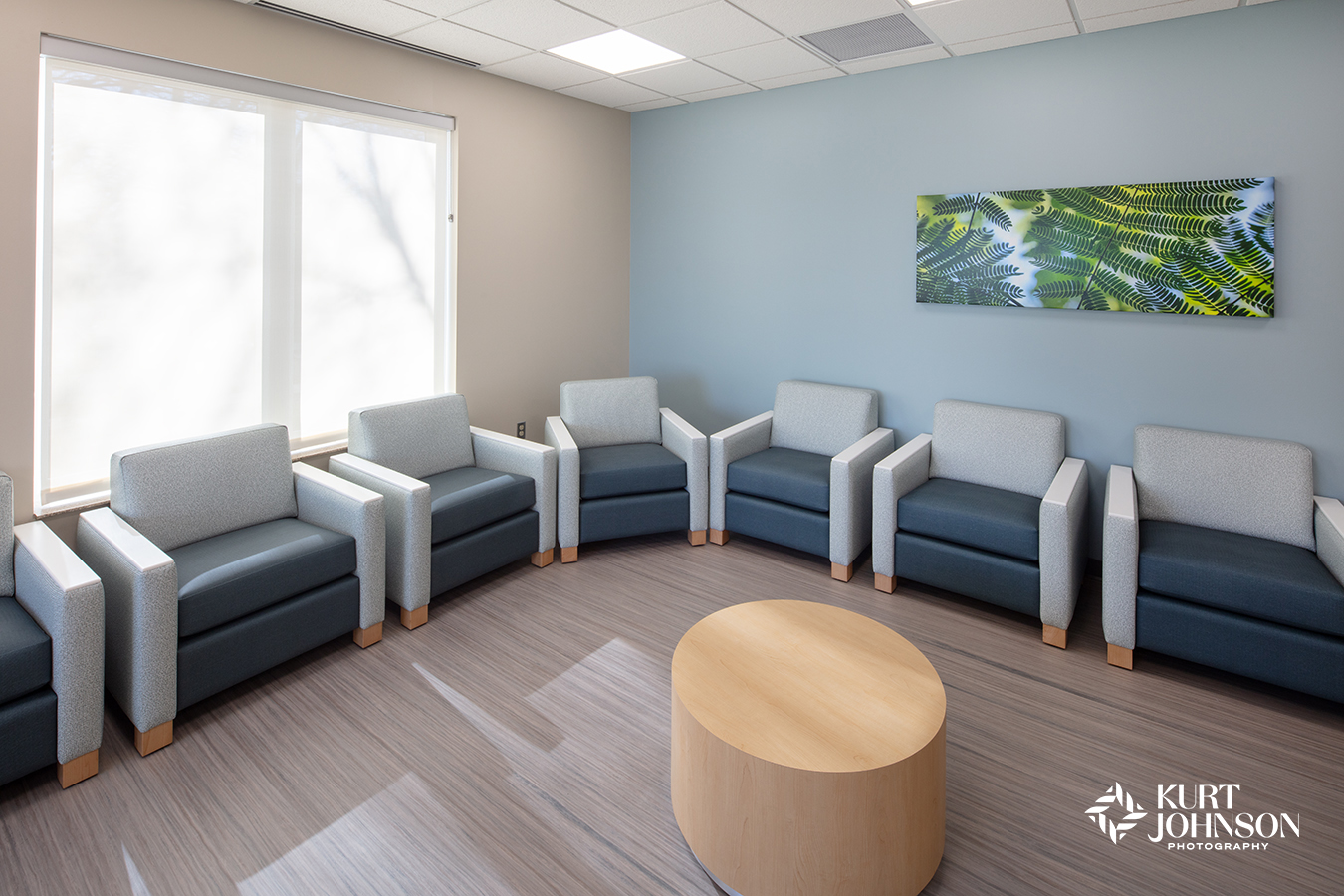
Soothing waiting area at Allina Health’s Center for Mental Health and Addiction in Fridley, MN.
These images work well in healthcare spaces because they:
- Reflect natural patterns our eyes instinctively find restful.
- Use green as a visual reminder of the natural world.
- Help bridge the gap between indoor spaces and outdoor experiences.
Photographic nature views can reduce stress and support positive emotional responses. It’s not just about being outdoors. It’s about maintaining a meaningful visual connection to nature.
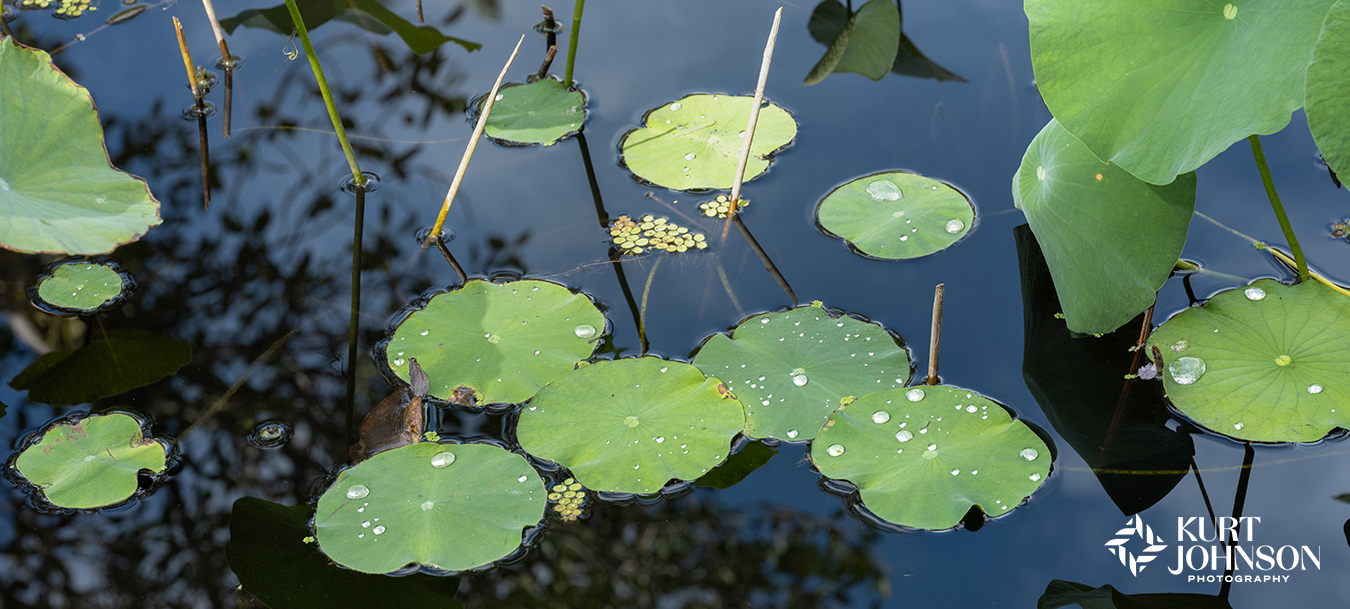
- Water Lilies & Pond Life: Stillness and Contemplation
Images featuring lily pads, still water, and quiet pond life offer something especially valuable in healthcare settings: stillness.
These photographs work beautifully in:
- Waiting rooms
- Long corridors
- Staff areas
- Patient rooms
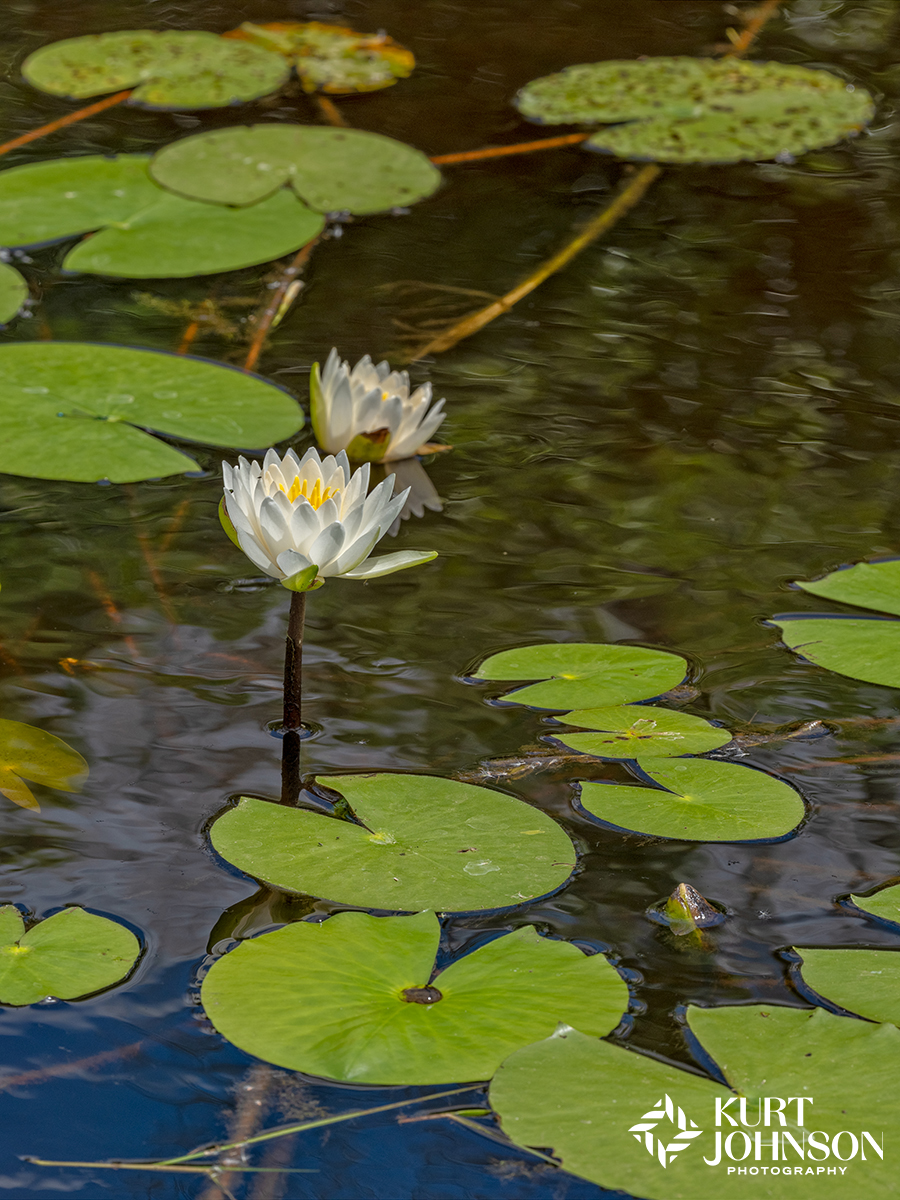
In spaces where time can feel stretched, and emotions run high, visual stillness helps reset the nervous system. These images invite a pause, offering relief from sensory overload. This is where healthcare art moves beyond decoration and becomes part of the overall care experience.
Art for Healthcare: More Than Decoration
When you look at our most popular healthcare art, a few things really stand out. The color palettes are calming and supportive of healing, with soft greens, gentle blues, and soothing neutrals that help reduce visual fatigue and fit beautifully into healthcare spaces. The subject matter feels familiar and comforting –views that connect us to nature without being overwhelming.
These images tap into biophilic design principles, featuring natural patterns, textures, and elements that research shows can boost well‑being and create a sense of calm.
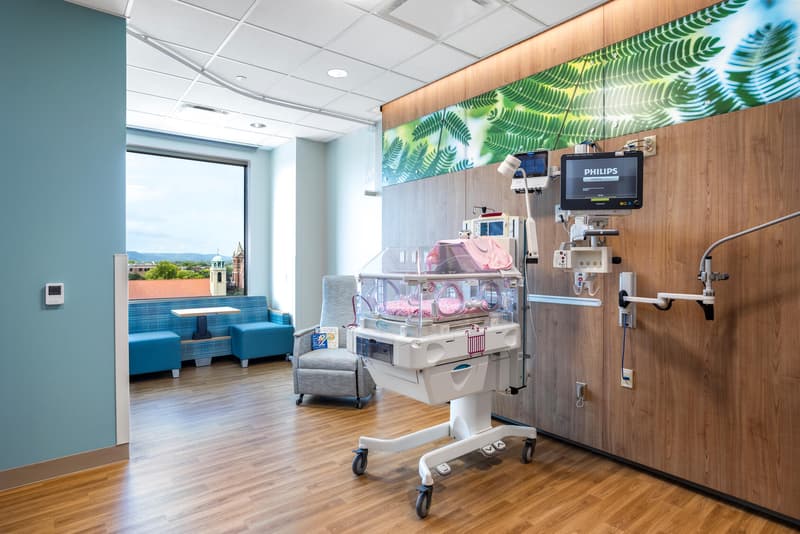
Family Birth Center in La Crosse WI Mayo Clinic Health System
When nature photography is selected thoughtfully, guided by research, design expertise, and real‑world experience, it becomes part of the care team. A water reflection in a lobby, a botanical detail in a patient room, or a quiet pond scene in a waiting area can help someone pause, breathe, and feel a little lighter when they feel anxious or stressed.
Choosing art for healthcare environments isn’t about filling empty walls. It’s about shaping experiences, supporting emotional well‑being, and creating spaces that feel human.
Whether it’s new construction, an expansion or just a remodel, we’d love to help you add nature to your care team. Contact us to discuss the possibilities!
Categories: Healing, Healthcare, Photography, Research


