Nature’s Abstracts: Bringing Natural Patterns and Textures Into Healthcare Design
Most people picture epic landscapes, fields of flowers, forests, and peaceful streams when they think of nature photography. And while those types of images are great for healthcare environments and supported by decades of research, nature art also has another side. One you discover when you get a little closer.
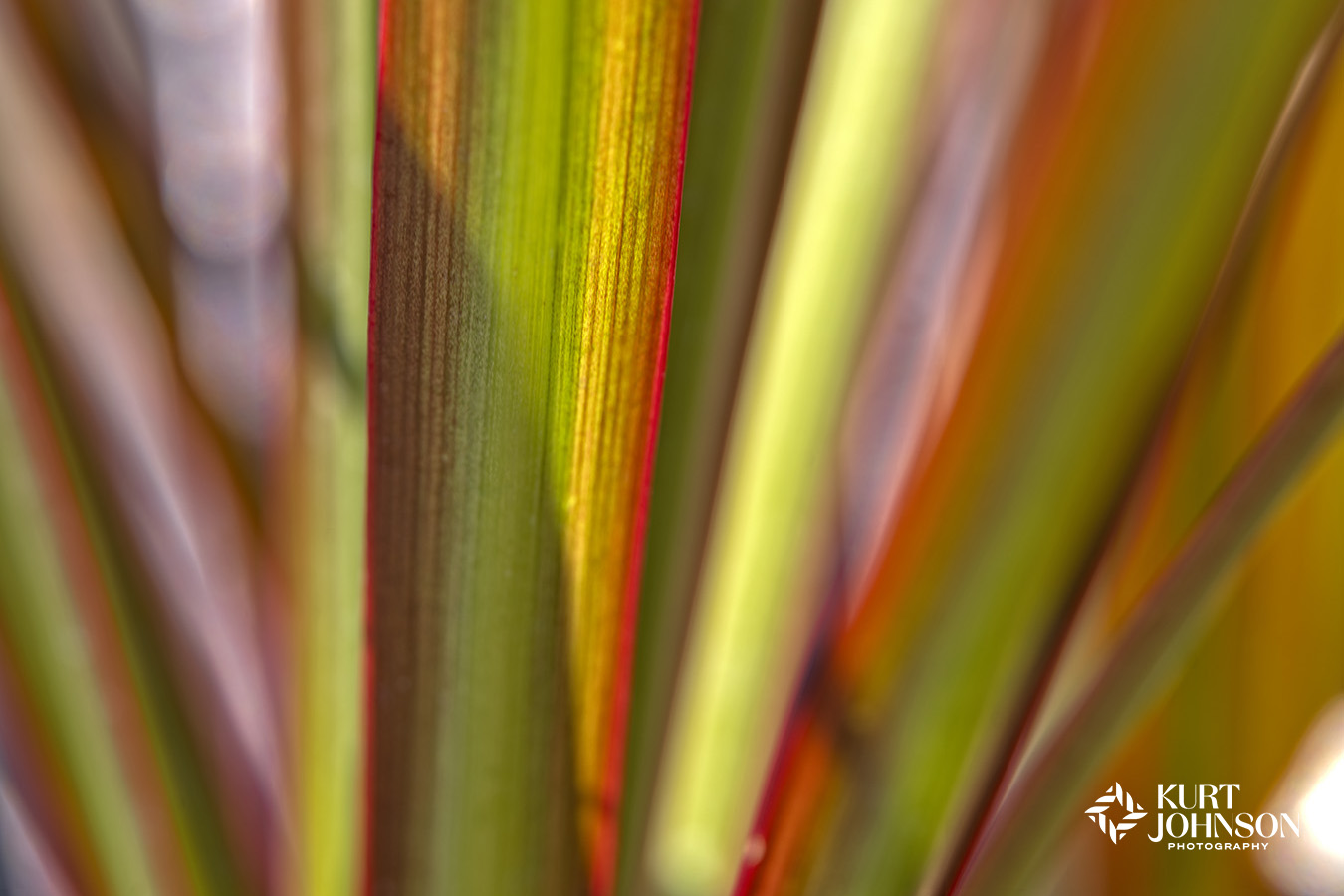
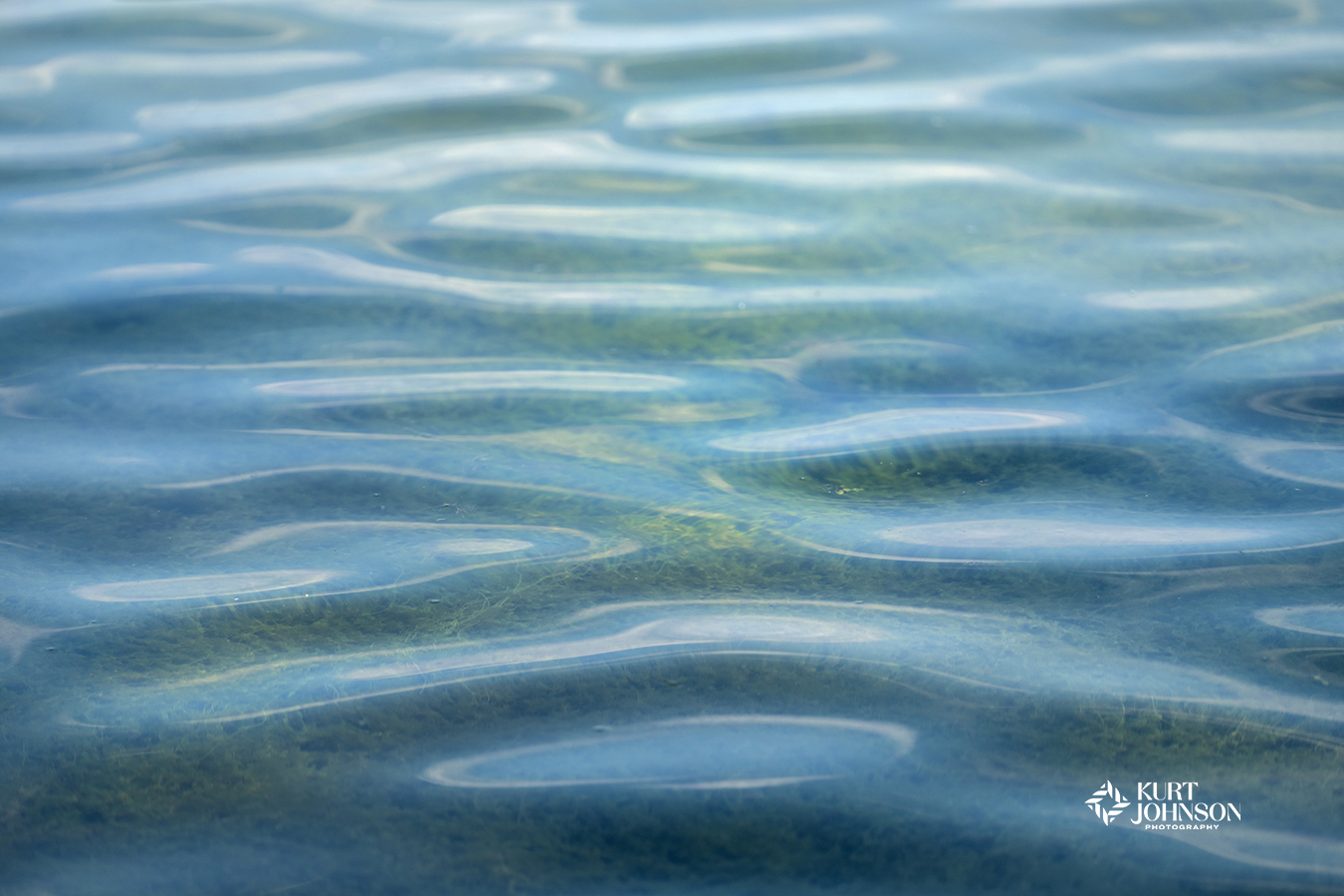
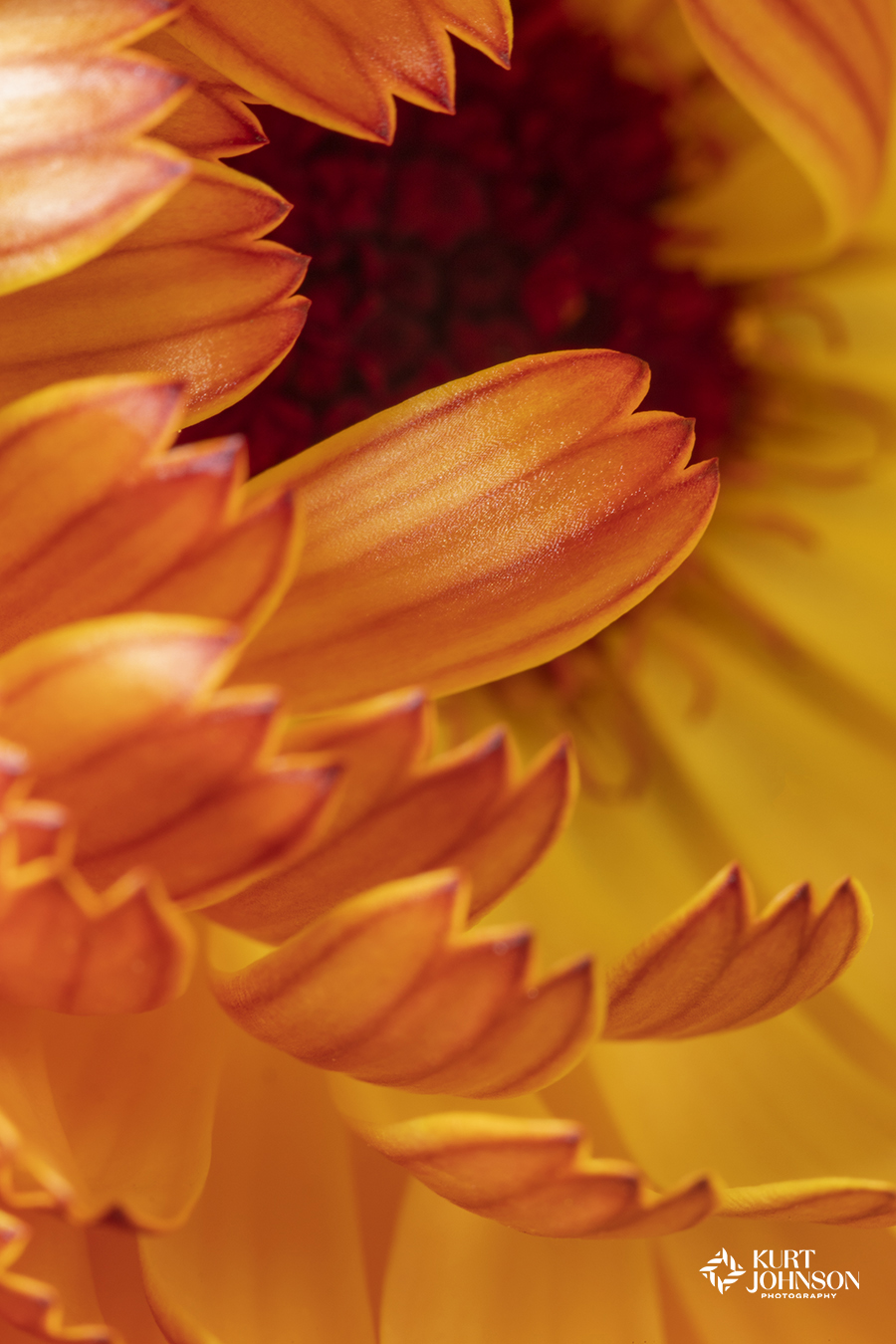
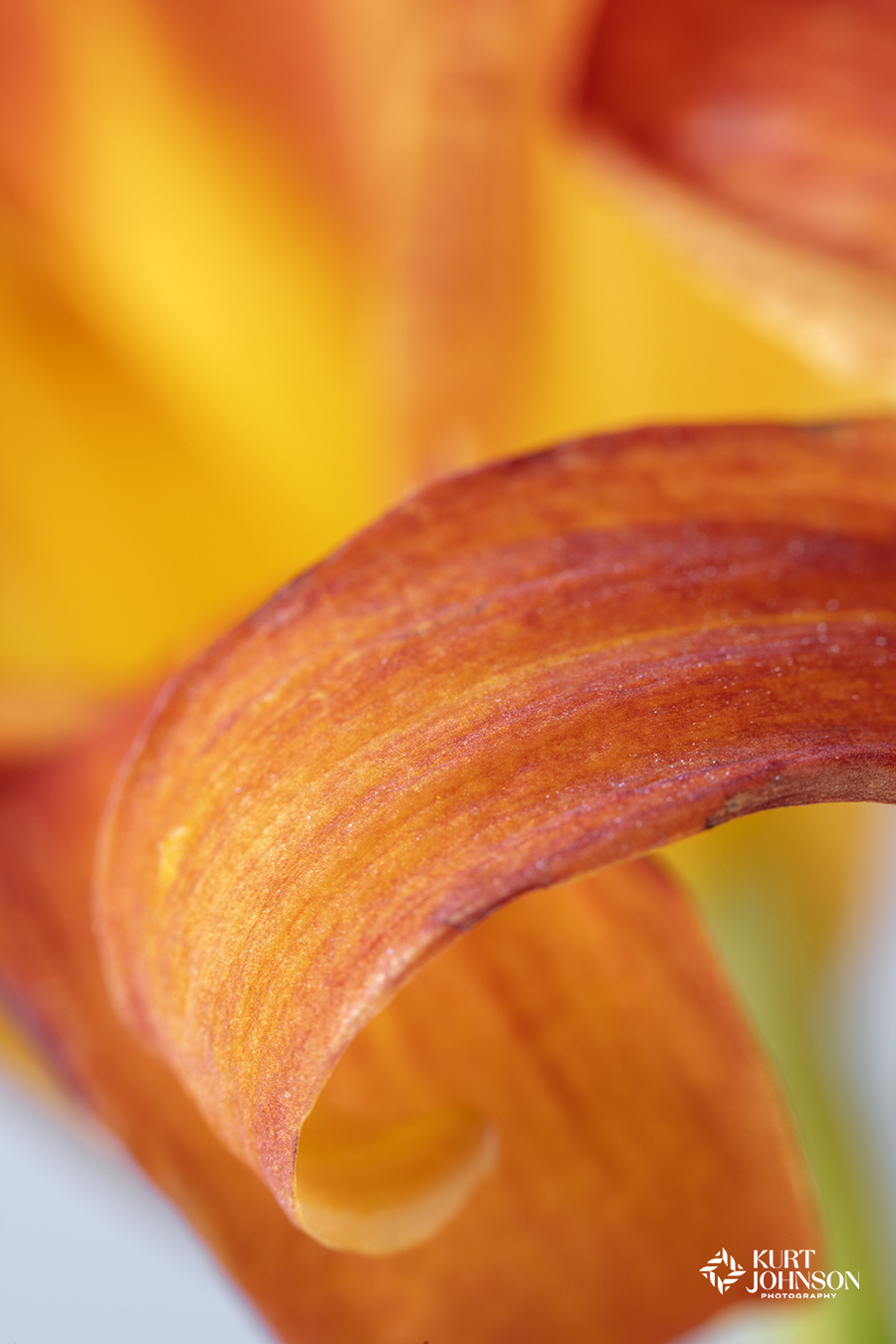
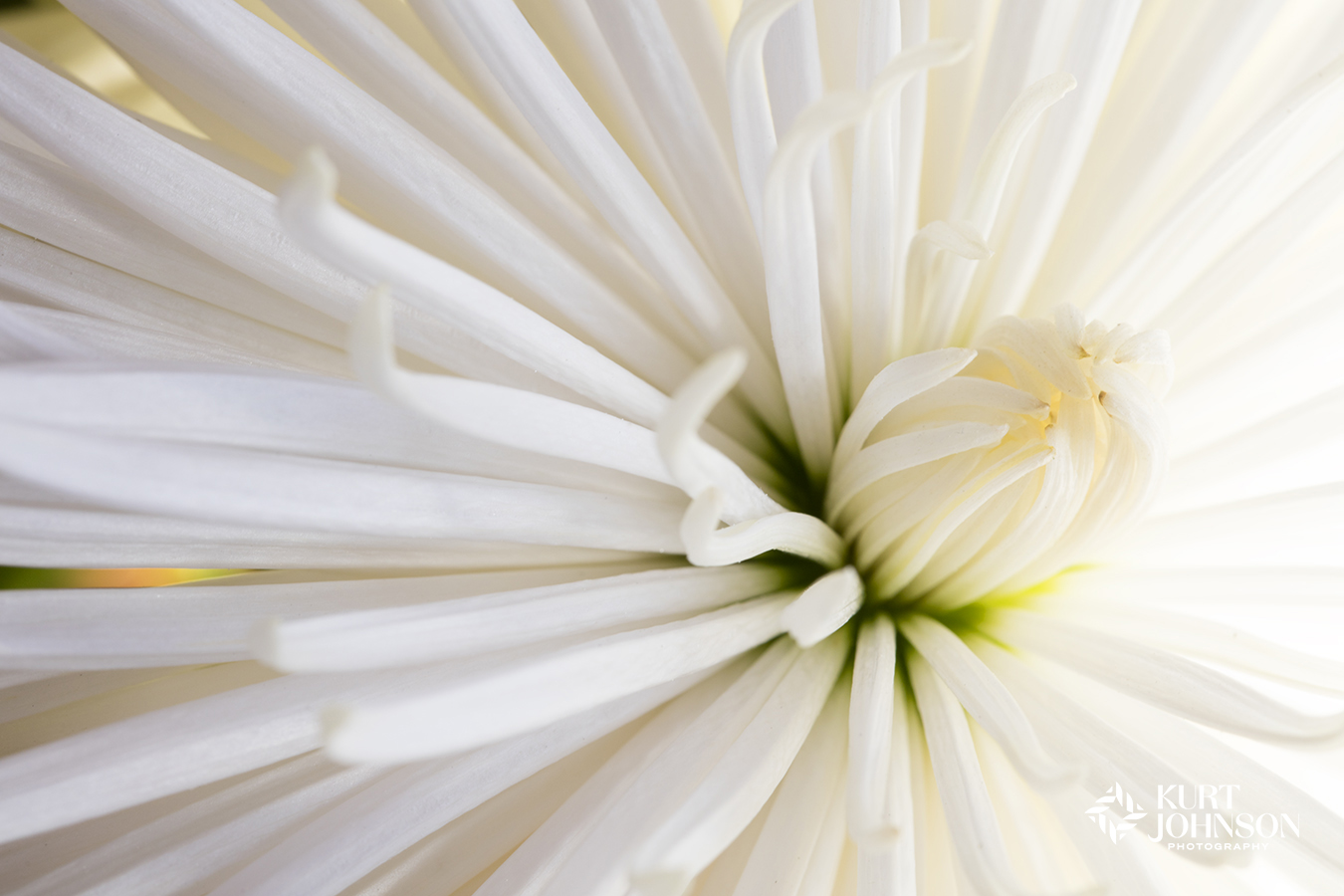
Imagine the delicate veins of a leaf, sunlight passing through flower petals, glowing specks of an agate, or the mesmerizing waves that appear in a river or lake. Familiar subjects become shapes, colors, textures, and patterns that look almost like abstract paintings.
We like to call these images nature’s abstracts.
They’re photographs of things found in the natural world, but captured from a different perspective.
They offer healthcare designers another way to bring nature indoors, especially in spaces where a more contemporary or artistic aesthetic feels right for the space.
Have you ever found yourself staring at the intricate details of a fern, the branches of a tree, or the repeating shapes of a flower or seashell?
There’s a reason certain patterns found in nature seem to hold our attention.
They’re called fractals, and they appear throughout the natural world, from trees and coastlines to clouds, rivers, and leaves. Researchers studying these repeating patterns have found that viewing certain fractal designs may help reduce stress and encourage more relaxed responses.
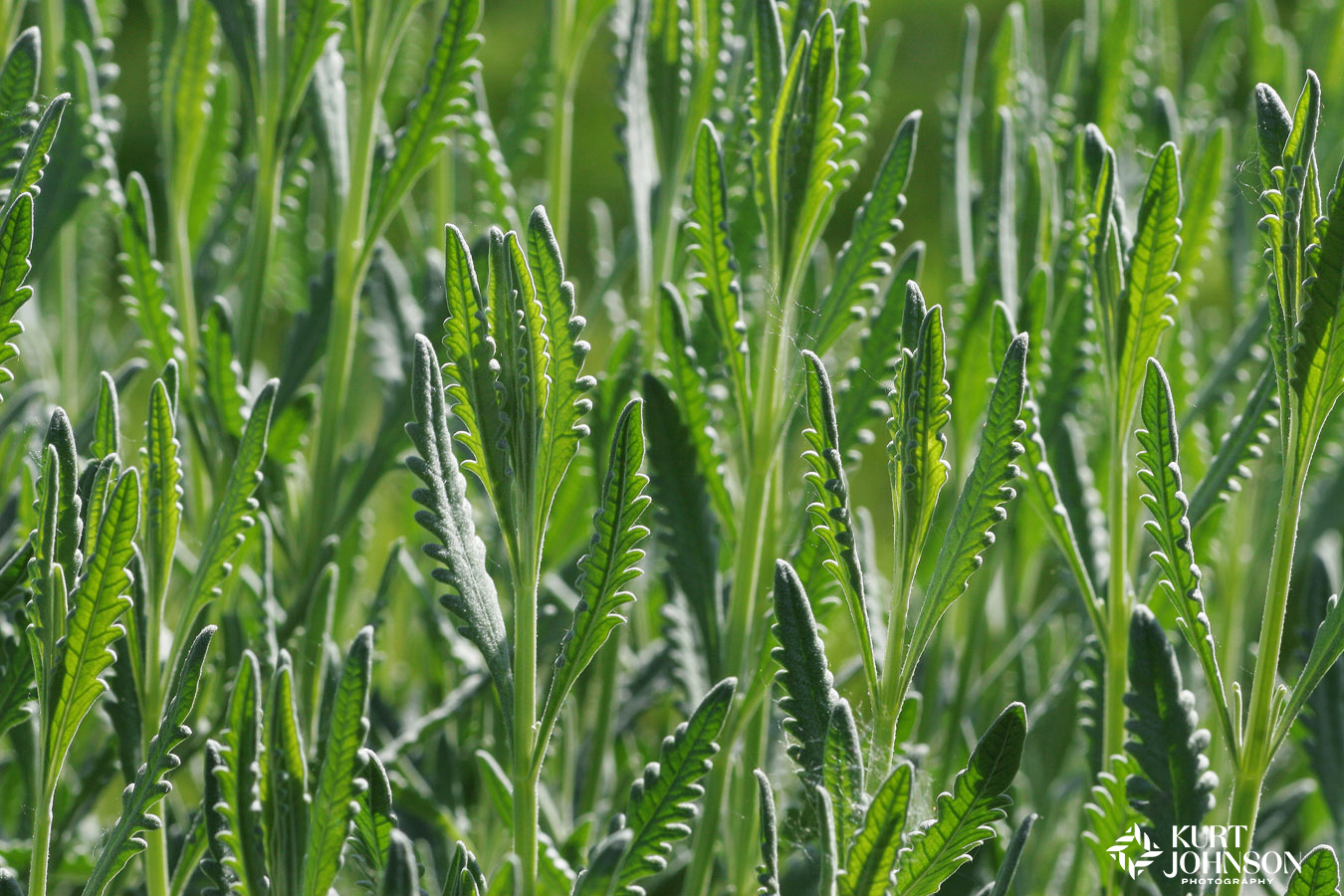
Physicist Richard Taylor has spent years studying how our brains respond to the fractal patterns found in nature. His research suggests that certain patterns may help us recover from stress and provide a sense of calm.
And in healthcare environments, where patients, families, and staff often experience high levels of stress, that’s a pretty compelling reason to pay attention to the details found in nature.
We explored this research in an earlier blog, How to Improve Patient Outcomes With Nature’s Organic Patterns, including how detailed nature photography was incorporated into UNMC’s Munroe-Meyer Institute.
As designer Alison Topp AIA, ACHA, LEED AP explained when discussing the artwork selected for that project, the goal was to give patients something they could get lost in, whether that meant counting the rings, studying the petals, or discovering some small detail they hadn’t noticed before.
Sometimes the closer you look, the more there is to see.
-
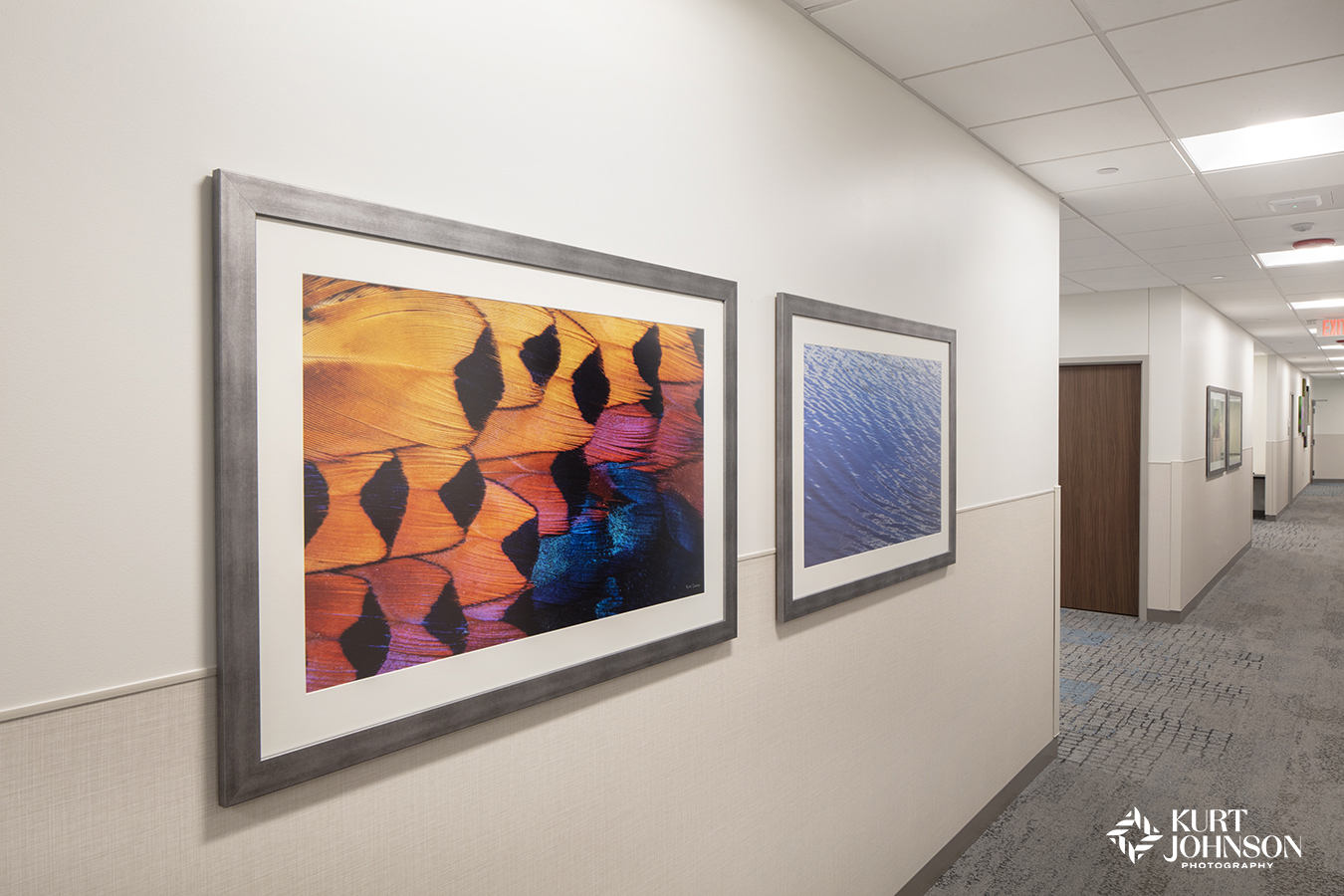
- Framed nature abstract art at UNMC’s Munroe-Meyer Institute in Omaha, NE.
-
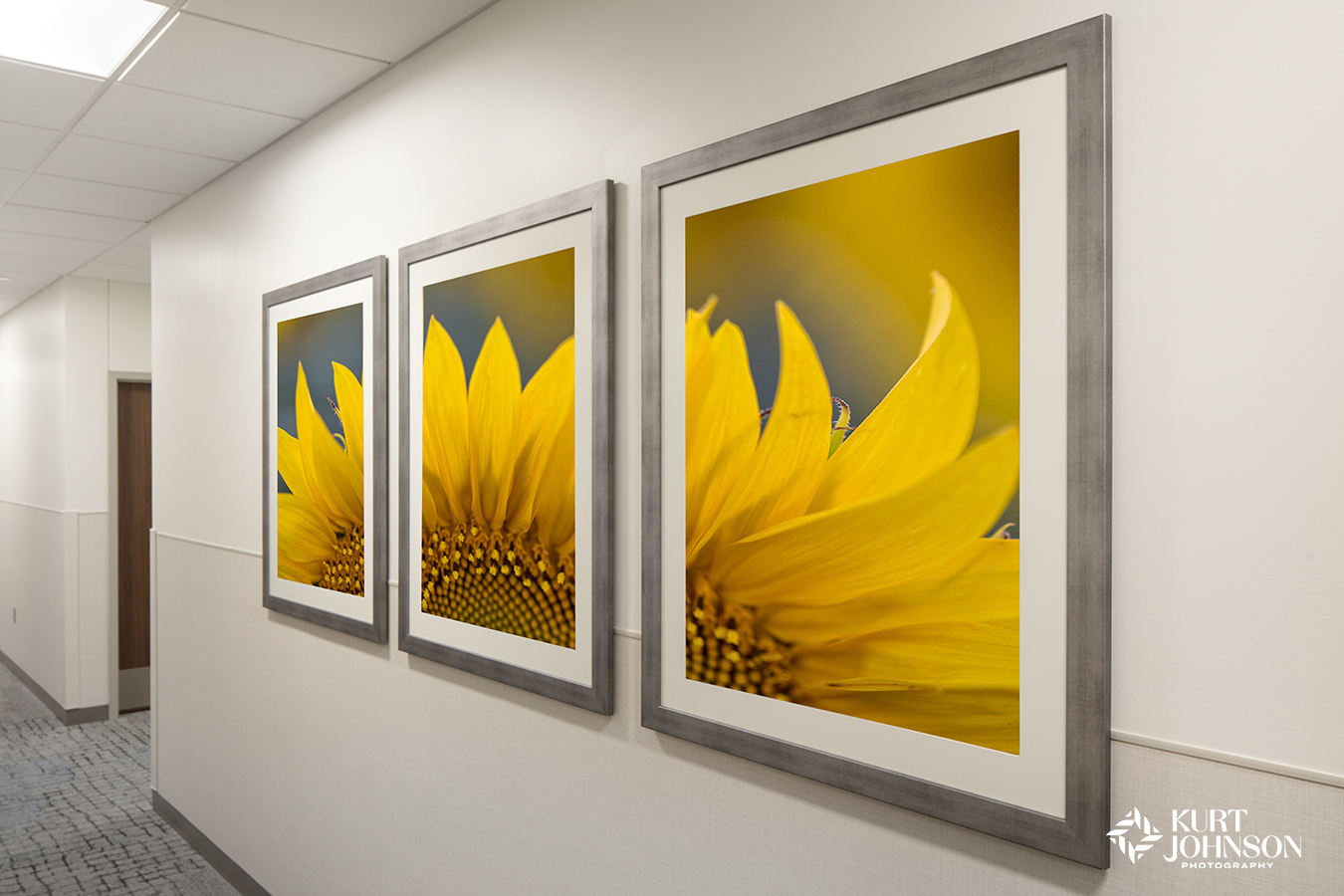
- Abstract flower triptych at UNMC’s Munroe-Meyer Institute in Omaha, NE.
And there’s another interesting connection to nature’s abstracts that goes beyond fractals.
Stephen Kellert, a pioneer in biophilic design, explored how we can experience nature even when we’re not physically surrounded by it.
Along with researcher Elizabeth Calabrese, Kellert described something called the indirect experience of nature, which means our connection to the natural world doesn’t have to come exclusively from standing in a forest or looking out at a mountain. It can also come from viewing photographs, artwork, natural materials, organic shapes, colors, and patterns that reflect the world outside.
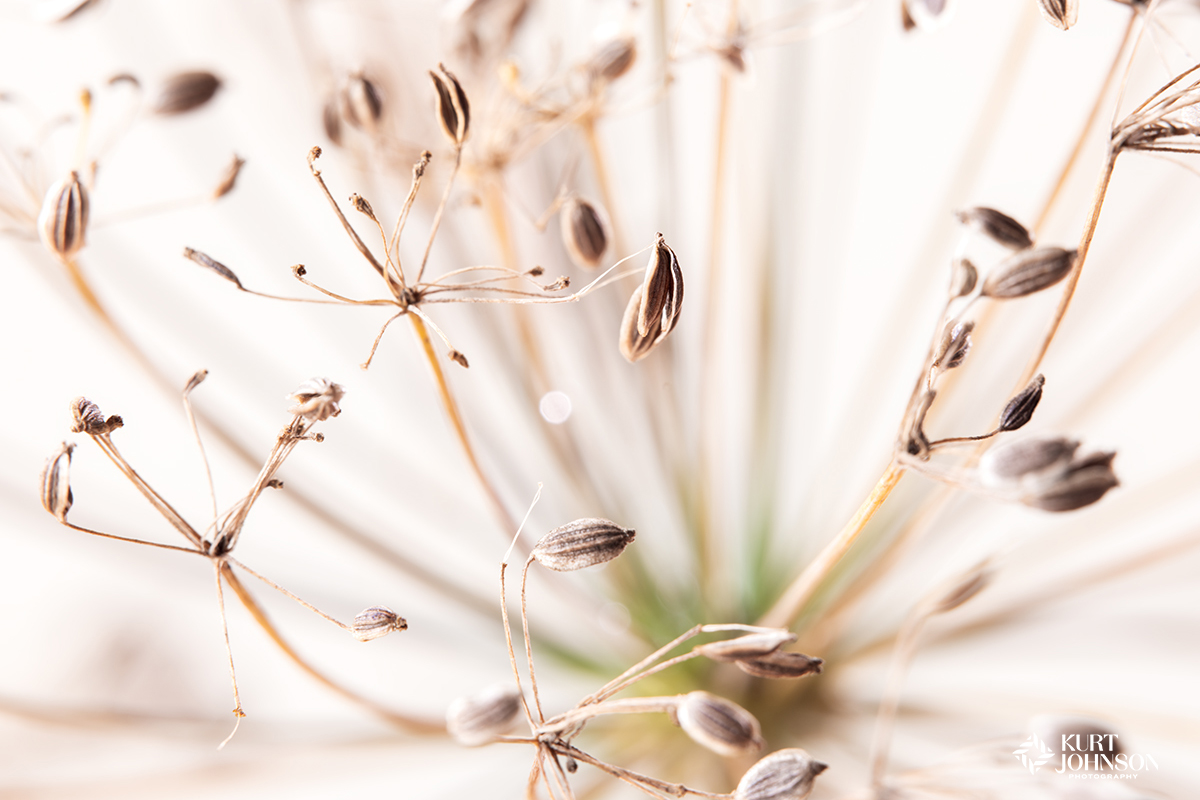
In their 2015 publication, The Practice of Biophilic Design, Kellert and Calabrese identified images of nature, natural colors, naturalistic shapes and forms, and natural geometries as important elements of biophilic design.
In other words, a photograph doesn’t have to show an entire forest to introduce elements of nature into a space. Sometimes the shape of a leaf, the texture of tree bark, or the repeating pattern of flower petals can offer another visual connection to the natural world.
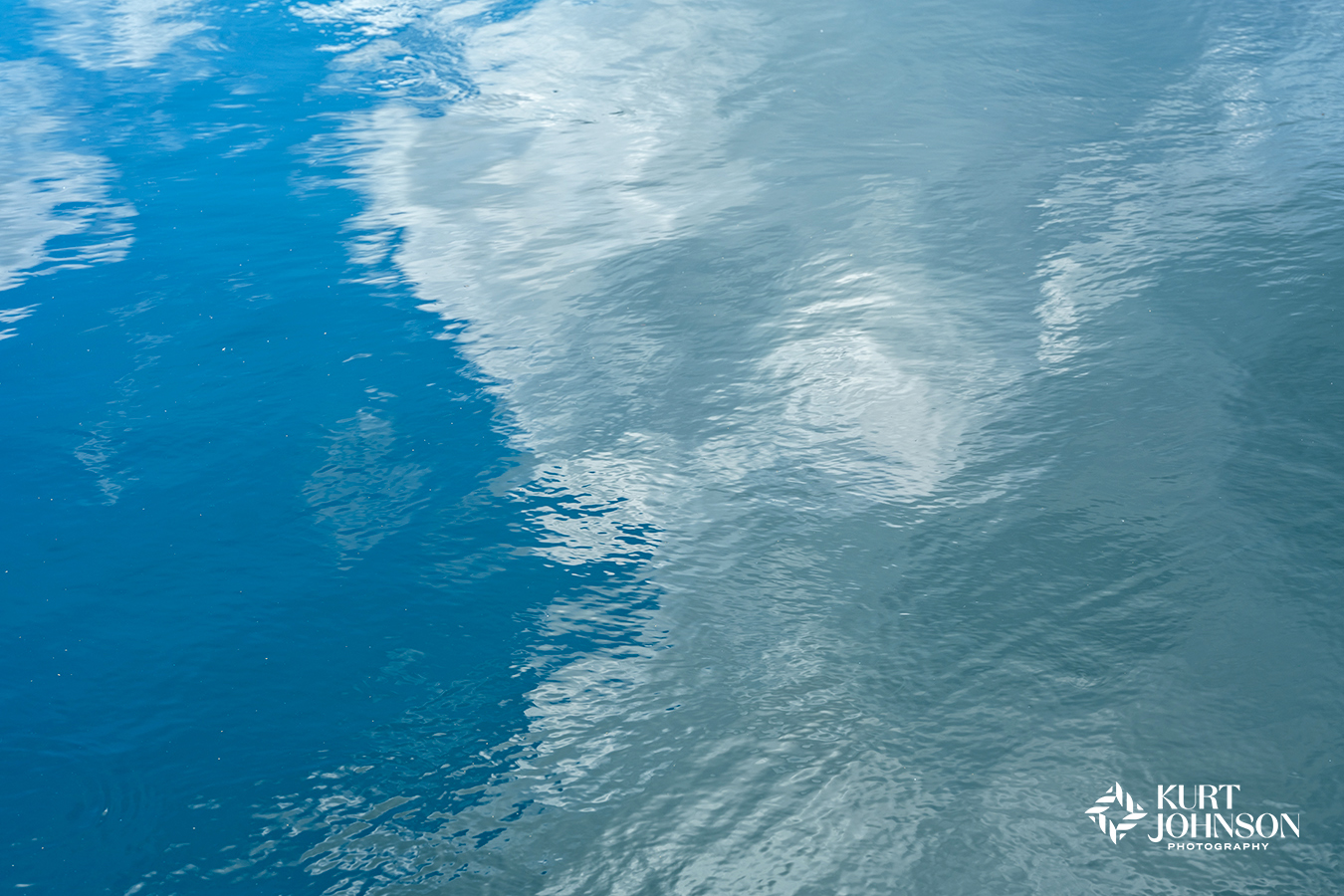
We’ve written before about why nature imagery is often a better choice than abstract art when it comes to healthcare environments.
Research suggests recognizable nature scenes, like forests, flowers, and water, tend to produce more consistent positive responses from viewers than traditional nonrepresentational abstract artwork.
We explored that distinction in Nature vs. Abstract Art: What Really Belongs on Healthcare Walls?, including why ambiguous imagery deserves careful consideration in spaces where people may already be feeling anxious or overwhelmed.
But nature’s abstracts are a little different.
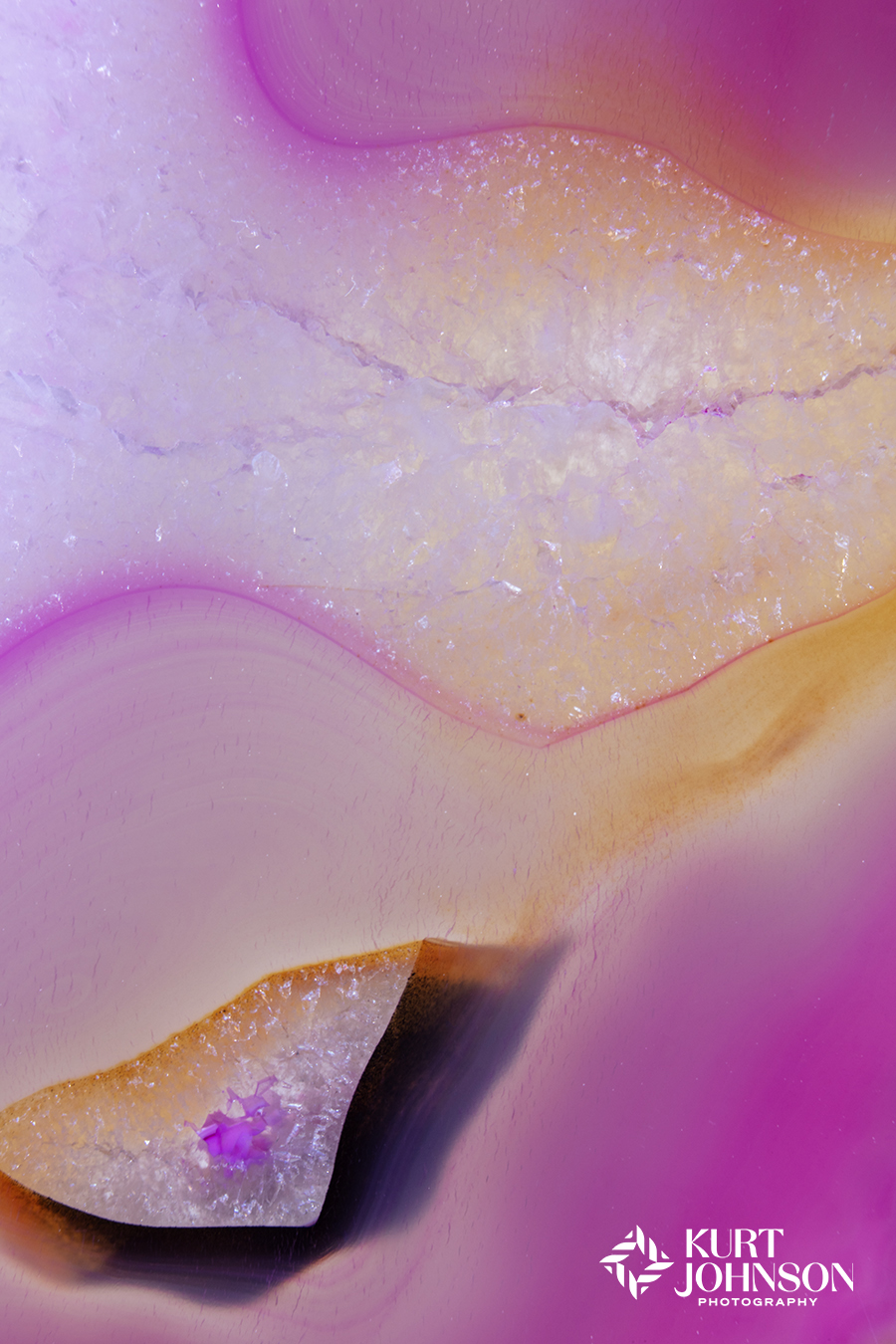
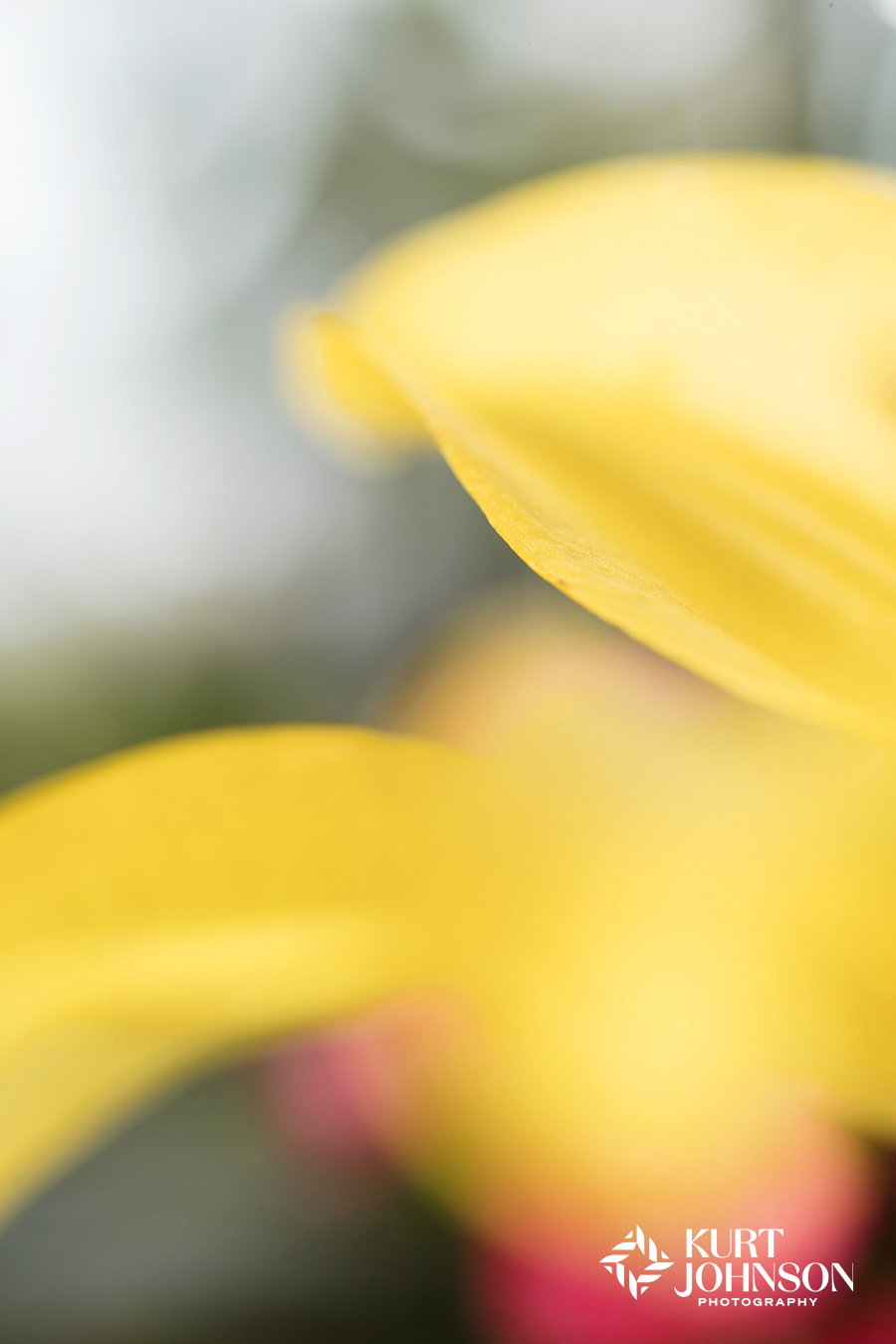
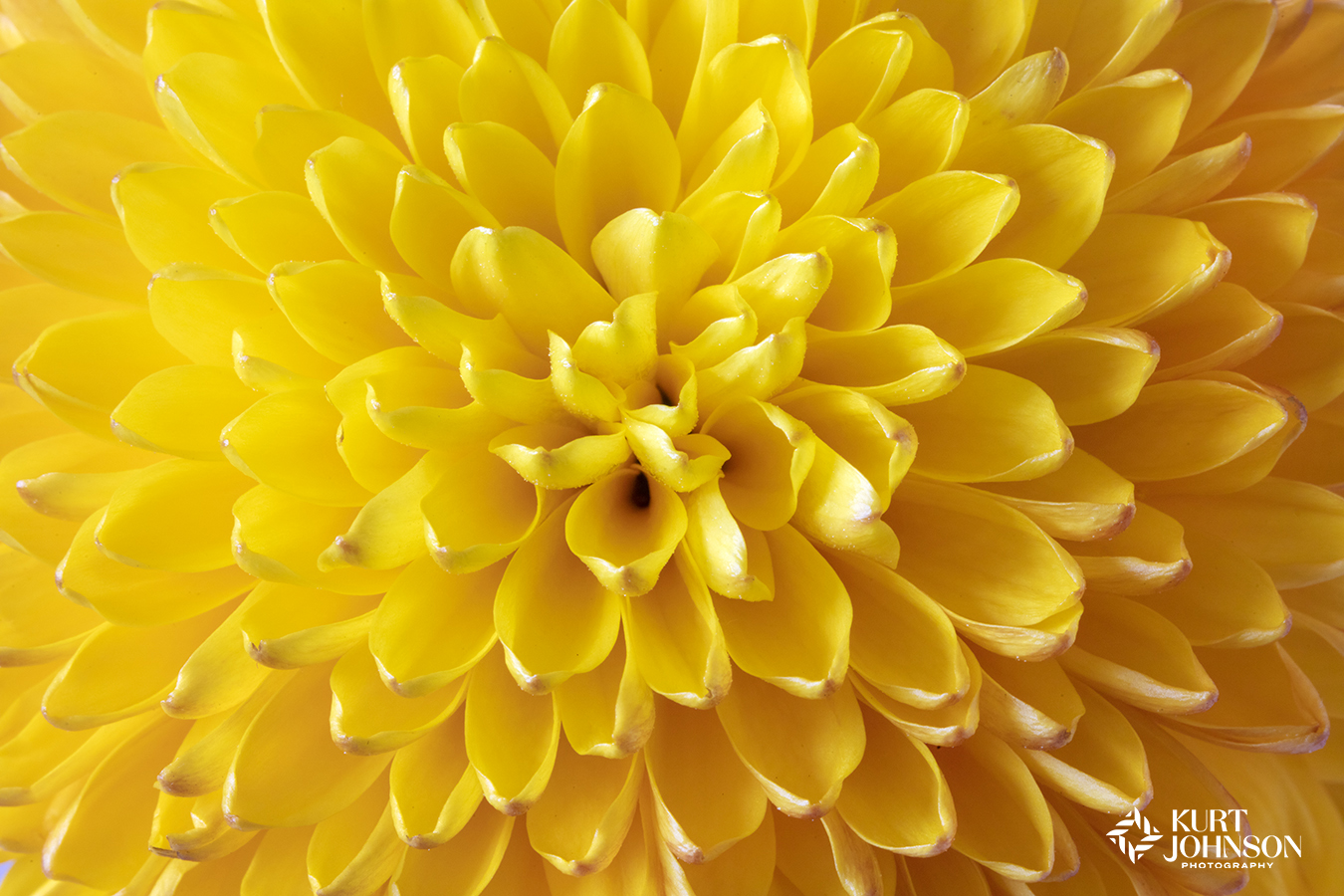
They’re nature photographs captured so closely or from such a unique angle that the original subject is difficult to recognize. A flower petal becomes a smooth curve of bold color. Ripples of water become a study in movement and light. The surface of a leaf looks like something from a sketchbook.
They might seem abstract, but they’re really connected to the outside world.
That’s the distinction that matters when it comes to healthcare. You can enjoy the visual interest of abstract artwork while intentionally incorporating elements drawn from nature.
Not every one of nature’s abstracts has the same demonstrated therapeutic benefits as a recognizable landscape. And not every organic texture contains the particular fractal patterns researchers have studied. But when carefully chosen, these images offer healthcare designers another way to introduce natural forms and visual connections into the built environment.
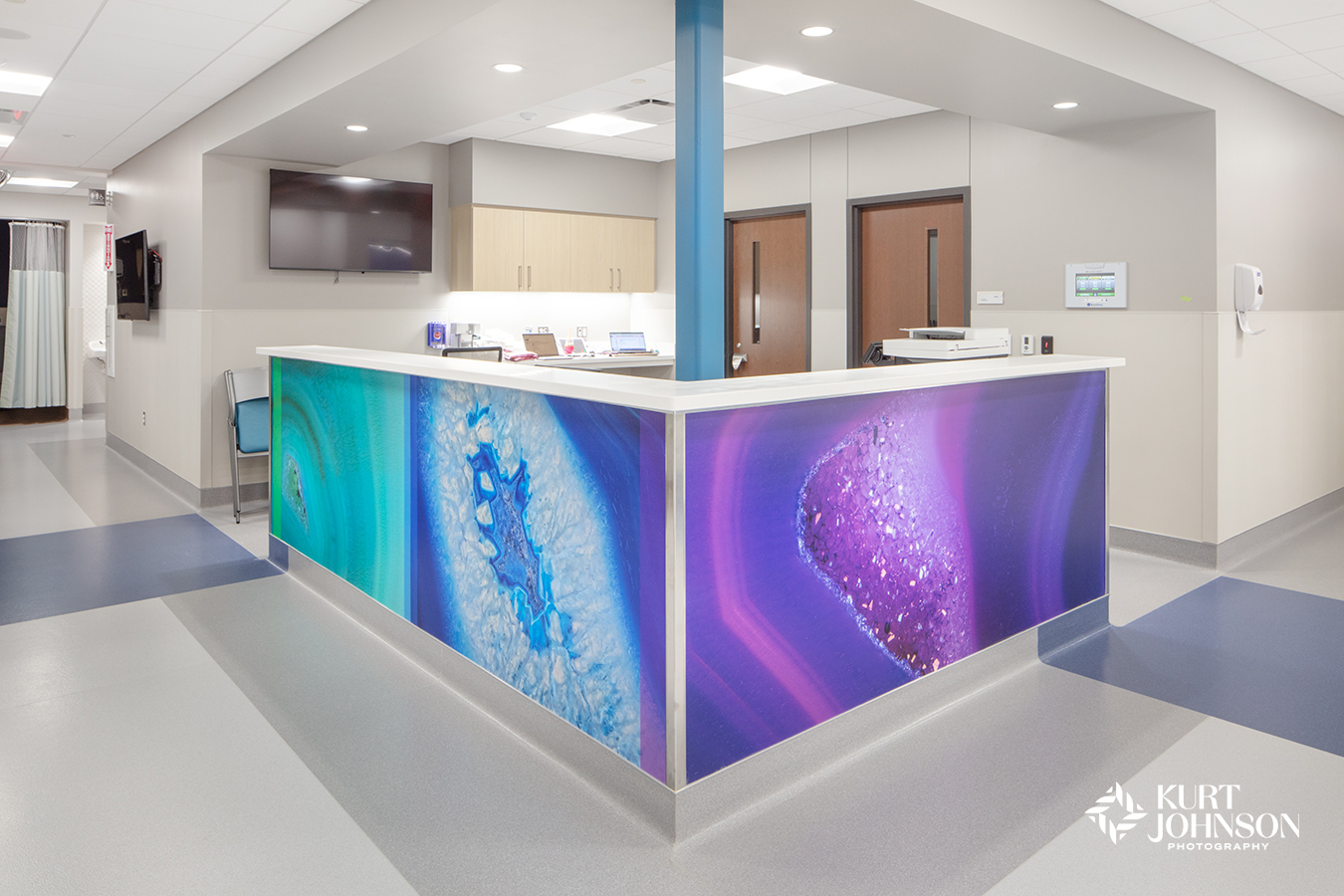
Nurse Station at OrthoNebraska Elkhorn.
One of the things we enjoy most about nature photography is how many different directions it can take.
Sometimes a healthcare space calls for a beautiful landscape that feels like looking out a window. Other times, a designer might want something a little less expected.
Maybe it’s a contemporary lobby with a bold color palette, a hallway that could use some visual interest, or a space where soft, organic patterns would complement the architecture without overwhelming it.
Nature’s abstracts add movement and unique perspectives to those spaces while also finding a unique way to bring the outdoors in. That connection is an important part of creating more supportive healthcare environments.
In areas where patients may be particularly vulnerable or distressed, familiar, recognizable nature scenes may still be the best choice. But in the right setting, nature’s abstracts can bring a fresh perspective to nature-inspired healthcare design.
As nature photographers, we’re always looking for ways to help people see the natural world a little differently. Sometimes that means capturing the beauty of a familiar landscape. Other times, it means getting close enough to discover something completely unexpected in the details.
-
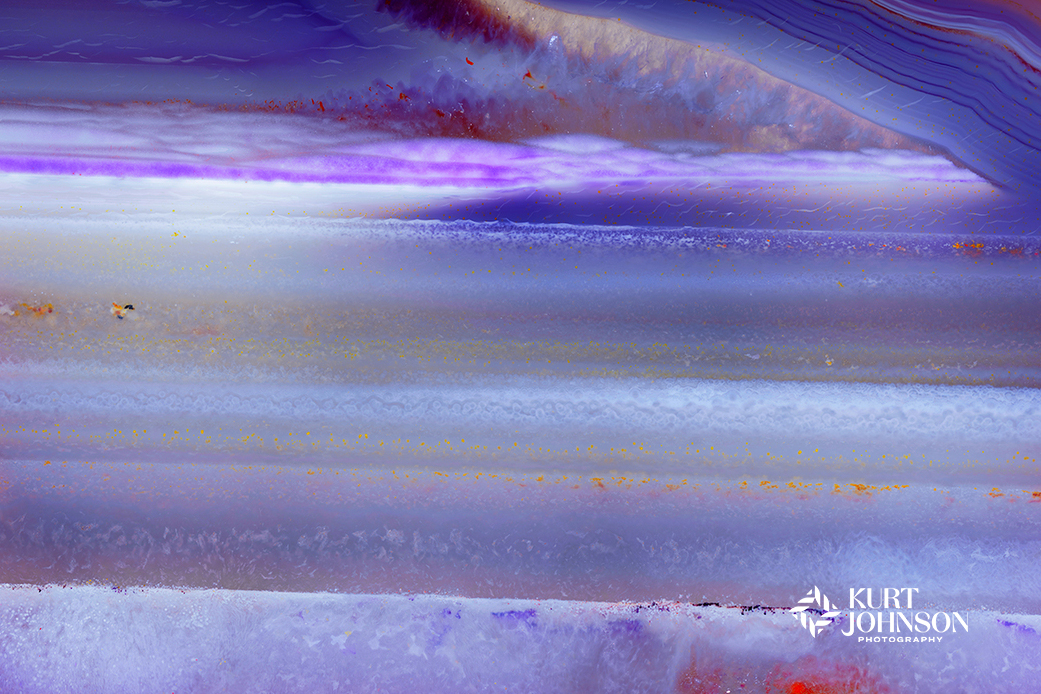
- Original agate photograph used for wallcovering.
-
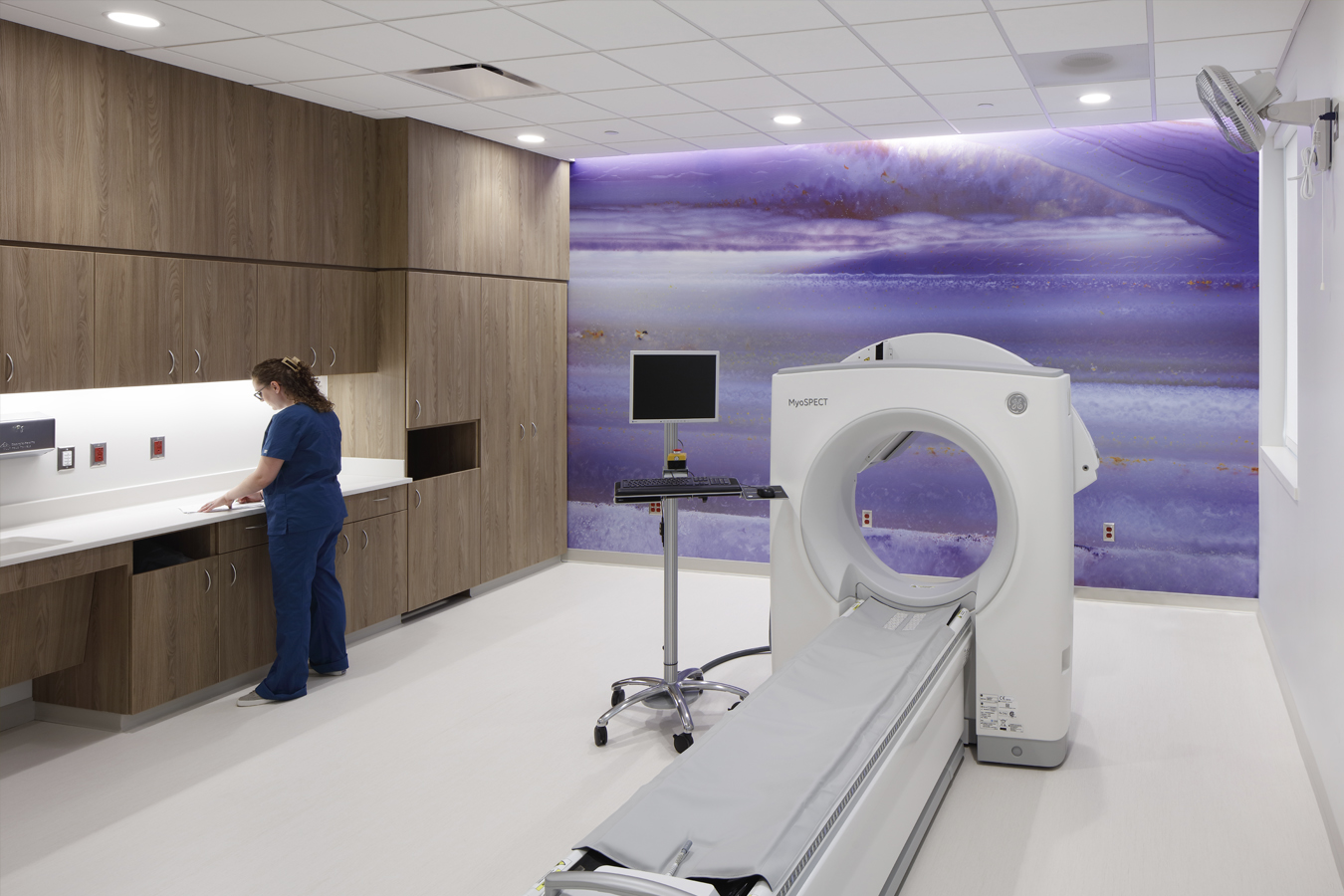
- Jewel & Jim Plumb Heart Center, Mercy Medical Center, Cedar Rapids, IA.
Images of nature’s abstracts remind us the natural world doesn’t always look the way we expect. Sometimes it looks like a piece of abstract art hanging in a gallery.
Curious what else we’ve discovered? Explore the Abstracts collection in our portfolio, where every photograph begins with something found in nature.
And if you’re looking for a fresh way to bring nature into your next healthcare project, let’s talk.
Categories: Healthcare, Photography, Research


